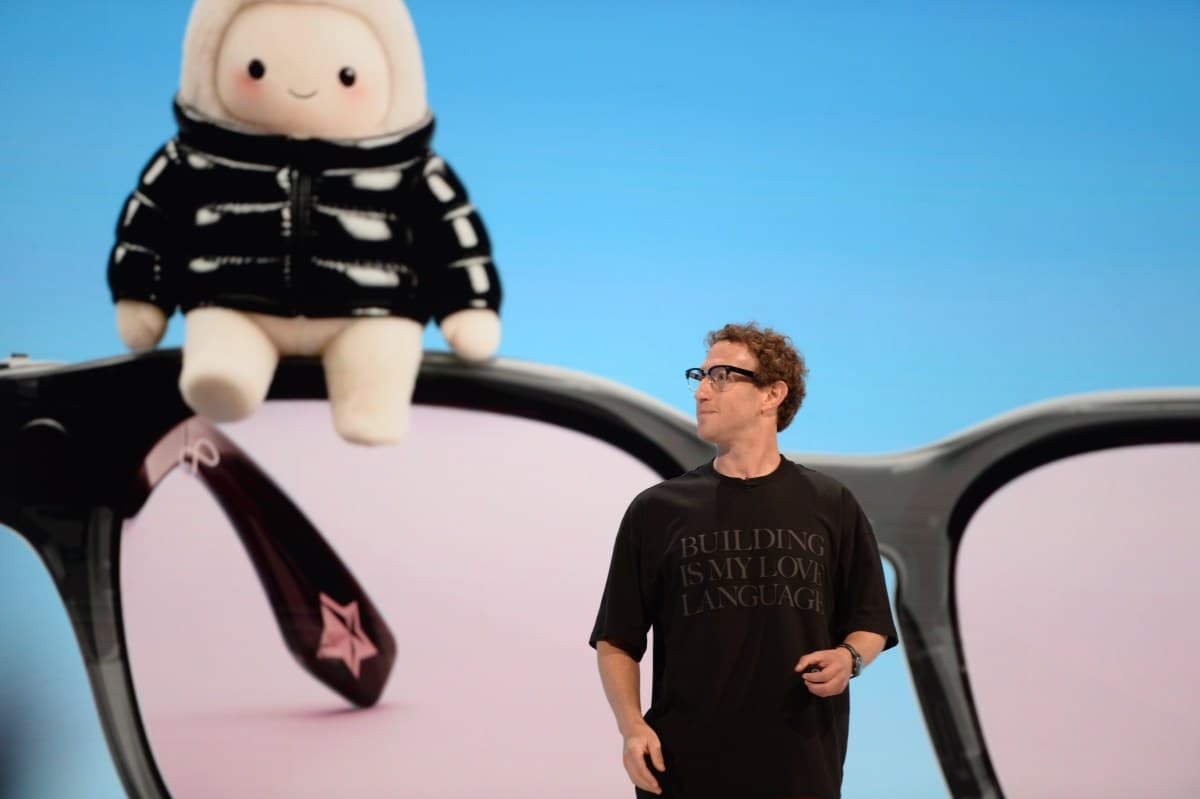
Robots are waiting for a ChatGPT moment: Nvidia’s Les Karpas explains why at TechCrunch Disrupt 2026
Nvidia's Les Karpas discusses the robotics industry's quest for a breakthrough at TechCrunch Disrupt 2026.
The robotics industry is on the cusp of a transformative breakthrough, yet it remains in a holding pattern, waiting for its 'ChatGPT moment.' At TechCrunch Disrupt 2026, Les Karpas, a key figure at Nvidia, articulated the challenges and opportunities that lie ahead for robotics. Karpas emphasized that while advancements in artificial intelligence have propelled sectors like natural language processing into the mainstream, robotics has yet to achieve a similar level of integration into everyday life. This gap raises questions about the future of robotics and its potential impact on various industries, from manufacturing to healthcare.
Karpas pointed out that the current state of robotics is characterized by impressive technological capabilities, yet these innovations have not translated into widespread adoption. The robotics industry has made significant strides in areas such as machine learning, computer vision, and automation, but these advancements often remain confined to niche applications. The challenge, according to Karpas, lies in creating robots that can seamlessly integrate into human environments and perform tasks that are not only complex but also adaptable to the unpredictable nature of daily life.
Key facts
| Field | Detail |
|---|---|
| Event | TechCrunch Disrupt 2026 |
| Speaker | Les Karpas, Nvidia |
| Industry Focus | Robotics |
| Current State | Robotics lacks widespread adoption despite technological advancements. |
| Key Challenge | Integrating robots into everyday life and human environments. |
| Potential Impact | Transforming industries like manufacturing and healthcare. |
| Future Outlook | Awaiting a breakthrough akin to ChatGPT's impact on AI. |
| Registration Deadline | September 25, 2026 |
The robotics industry has historically faced hurdles that have impeded its growth. Unlike the rapid advancements seen in AI, where models like ChatGPT have revolutionized communication and information retrieval, robotics has struggled to find its footing. The last decade has seen a surge in interest and investment in robotics, yet the technology has not yet reached a level of maturity that allows it to be a ubiquitous part of daily life. Comparatively, AI has become a household term, with applications in personal assistants, customer service, and content generation. Robotics, however, remains largely relegated to industrial settings, where robots perform repetitive tasks in controlled environments.
Karpas highlighted that the key to unlocking the potential of robotics lies in enhancing the interaction between humans and machines. For robots to become a staple in everyday life, they must be able to understand and respond to human emotions, intentions, and commands in a natural and intuitive manner. This requires advancements not only in hardware but also in software that can interpret complex social cues and adapt to varying contexts. The integration of AI into robotics is essential for this evolution, as it can provide the necessary cognitive capabilities for robots to operate effectively in dynamic environments.
How to read the numbers
The numbers reflect the current challenges faced by the robotics industry. The scores indicate that while there is a moderate level of adaptability and interaction capabilities, the overall integration of robotics into daily life remains low. This suggests that significant work is required to bridge the gap between technological potential and practical application. The industry must focus on improving these metrics to pave the way for a future where robots are commonplace in households and workplaces.
What you can do with it
- Explore partnerships with AI companies to enhance robotic capabilities.
- Invest in research focused on human-robot interaction and adaptability.
- Attend industry events like TechCrunch Disrupt to network and learn about emerging trends.
- Stay informed about advancements in AI that can be applied to robotics.
Looking ahead, the robotics industry is at a pivotal moment where the right innovations could lead to a breakthrough similar to that of AI's recent advancements. As Karpas noted, the integration of AI into robotics is not just beneficial but necessary for the industry to thrive. The next few years will be critical in determining whether robotics can achieve its long-awaited 'ChatGPT moment' and become an integral part of everyday life. The anticipation surrounding this potential breakthrough continues to grow, and the industry is poised for significant changes as it seeks to overcome existing challenges.
Source: TechCrunch - AI · Read original →
Instagram & TikTok: copy the link and paste into a Story, Reel, or caption.
Digest
AI news by email
Curated stories with sources and takeaways. Confirm once — unsubscribe anytime.
Discussion
Comment here after signing in, or share the story to continue the conversation elsewhere.
Instagram & TikTok: copy the link and paste into a Story, Reel, or caption.
Log in or create an account to comment — Google / GitHub / X when those providers are configured.
No comments yet — start the thread.