Open or closed AI? Nvidia’s Nader Khalil and Sydney Sykes take on one of the decisions shaping next-gen startups at TechCrunch Disrupt 2026
Nvidia's leaders debate the future of AI startups at TechCrunch Disrupt 2026, focusing on open versus closed models.
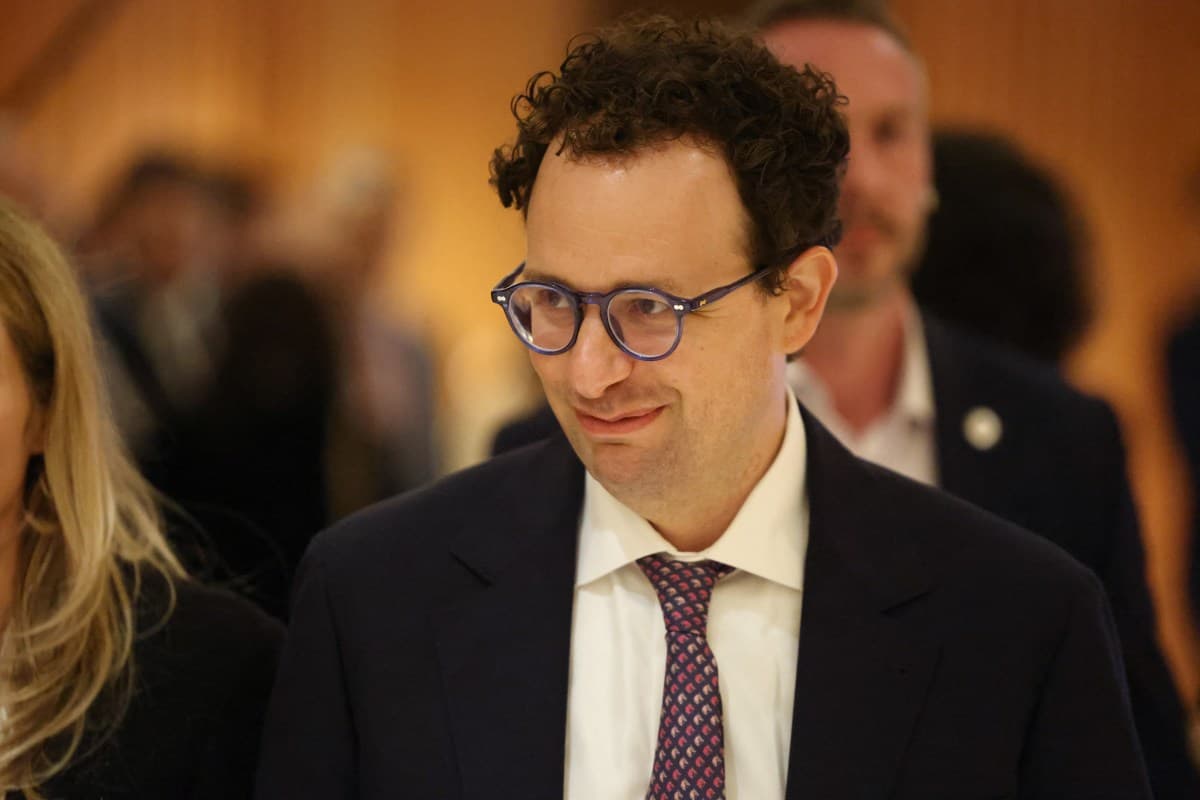
Nvidia's Nader Khalil and Sydney Sykes took the stage at TechCrunch Disrupt 2026 to engage in a thought-provoking discussion about the future of artificial intelligence startups. Their conversation centered around a critical decision facing many emerging companies: whether to adopt an open or closed model for their AI technologies. This debate is particularly relevant as the AI landscape continues to evolve rapidly, with startups needing to navigate a complex array of choices that will shape their business models and technological approaches.
The event attracted a diverse audience of entrepreneurs, investors, and tech enthusiasts eager to hear insights from two of the industry's leading figures. Khalil, who serves as Nvidia's Vice President of AI Software, emphasized the advantages of open models, which can foster collaboration and innovation. On the other hand, Sykes, a senior product manager at Nvidia, presented a compelling case for closed models, arguing that they can offer greater control over intellectual property and ensure a more secure environment for sensitive data. This dichotomy reflects a broader trend in the tech industry, where companies must weigh the benefits of transparency against the need for proprietary technology.
Key facts
| Field | Detail |
|---|---|
| Event | TechCrunch Disrupt 2026 |
| Speakers | Nader Khalil, Sydney Sykes |
| Focus | Open vs. closed AI models |
| Company | Nvidia |
| Audience | Entrepreneurs, investors, tech enthusiasts |
| Discussion Type | Panel discussion |
| Key Themes | Collaboration, innovation, intellectual property, data security |
The conversation between Khalil and Sykes is emblematic of a larger debate within the AI community. Open AI models, such as those developed by organizations like OpenAI and Hugging Face, encourage community involvement and allow developers to build upon existing technologies. This approach has led to rapid advancements in AI capabilities, as seen in the proliferation of open-source projects and collaborative research. However, the open model also raises concerns about misuse and ethical considerations, particularly when it comes to sensitive data and proprietary algorithms.
In contrast, closed AI models, which are often developed by large corporations, prioritize control and security. Companies like Google and Microsoft have invested heavily in proprietary technologies that they can safeguard against potential threats. This model can be particularly appealing to startups that need to protect their innovations and maintain a competitive edge. However, the closed approach can also stifle collaboration and slow the pace of innovation, as fewer developers have access to the underlying technologies.
How to read the numbers
| Benchmark | Score |
|---|---|
| Open model adoption rate | Not quantified |
| Closed model adoption rate | Not quantified |
| Collaboration projects | Not quantified |
| Proprietary technology investments | Not quantified |
The implications of choosing between open and closed models are profound for startups. Companies that opt for an open approach may benefit from a larger pool of talent and resources, as developers are more likely to contribute to projects they can access freely. This can lead to faster development cycles and a more robust ecosystem of applications. Conversely, startups that choose a closed model may find it easier to secure funding and partnerships, as investors often favor companies that can demonstrate a clear path to monetization and control over their technology.
What you can do with it
- Evaluate the pros and cons of open vs. closed models for your startup.
- Consider the potential for collaboration and community engagement in your AI projects.
- Assess the importance of intellectual property protection in your business strategy.
- Stay informed about industry trends and competitor strategies regarding AI model development.
Looking ahead, the debate over open versus closed AI models is likely to intensify as more startups enter the space. As technology continues to advance, the lines between these two approaches may blur, leading to hybrid models that combine the best of both worlds. Companies will need to remain agile and responsive to market demands while also considering the ethical implications of their choices in AI development. The decisions made today will shape the future landscape of AI startups and influence the direction of innovation for years to come.
Source: TechCrunch - AI · Read original →
Instagram & TikTok: copy the link and paste into a Story, Reel, or caption.
Digest
AI news by email
Curated stories with sources and takeaways. Confirm once — unsubscribe anytime.
Discussion
Comment here after signing in, or share the story to continue the conversation elsewhere.
Instagram & TikTok: copy the link and paste into a Story, Reel, or caption.
Log in or create an account to comment — Google / GitHub / X when those providers are configured.
No comments yet — start the thread.