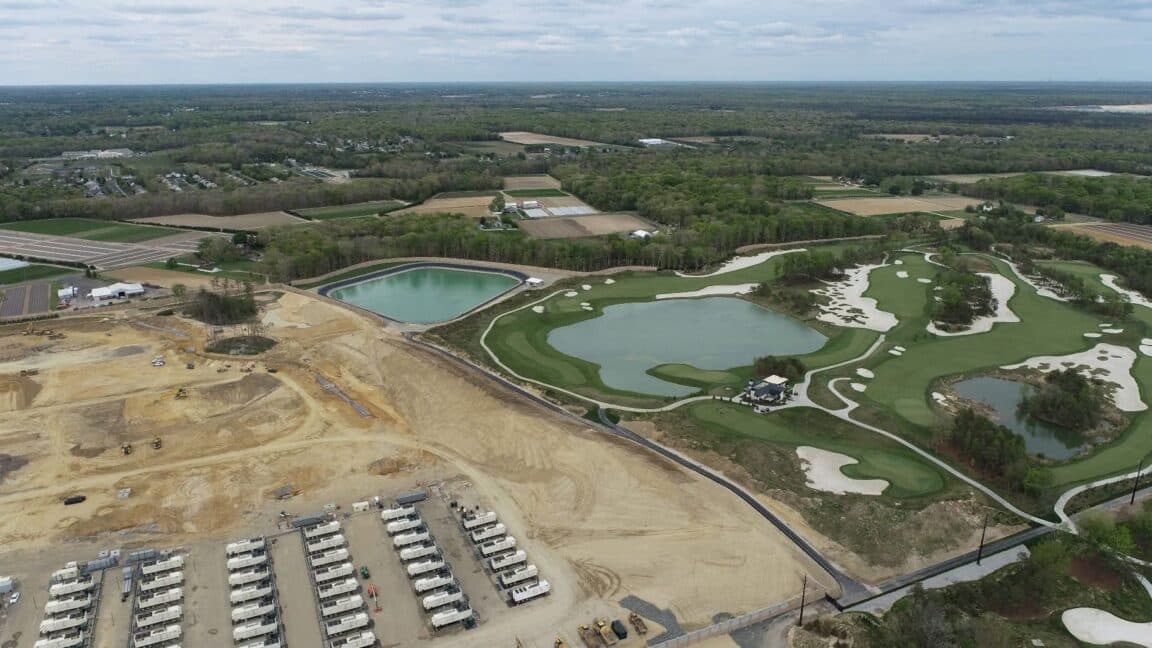
New Jersey fines data center $1.1M after drone pics expose 62 gas generators
New Jersey's hefty fine against a data center highlights growing concerns over environmental pollution and regulatory accountability.
“The $1.1 million fine against a data center reveals the growing tension between industrial operations and environmental accountability.”
Key takeaways
- New Jersey fined a data center $1.1 million for operating 62 gas generators without disclosure.
- Local residents express concerns over air pollution and health risks.
- The incident highlights the need for greater transparency in the data center industry.
- Regulatory scrutiny of data centers is increasing as environmental impacts become more visible.
- Community engagement is essential for holding corporations accountable for their emissions.
The New Jersey Department of Environmental Protection (NJDEP) has imposed a significant fine of $1.1 million on a data center operator after drone surveillance revealed the presence of 62 gas generators on-site. This enforcement action comes amid increasing scrutiny of the environmental impact of data centers, particularly those that rely on fossil fuels for their operations. The discovery of these generators, which were not disclosed to regulators, has raised alarms among local residents and environmental advocates who fear that such facilities contribute to air pollution and climate change.
The data center in question, operated by a subsidiary of a major technology firm, was found to be using these gas generators as backup power sources. However, the lack of transparency regarding their operation and the potential emissions they produce has sparked outrage. Residents living near the facility have expressed concerns about the health risks associated with increased pollution, particularly in communities already burdened by industrial emissions. The NJDEP's decision to impose a fine is seen as a step towards holding corporations accountable for their environmental impact, but many argue that it is merely a slap on the wrist for a billion-dollar industry.
Key facts
| Field | Detail |
|---|---|
| Fine Amount | $1.1 million |
| Location | New Jersey |
| Number of Generators | 62 gas generators |
| Regulatory Body | New Jersey Department of Environmental Protection |
| Operator | Subsidiary of a major technology firm |
| Discovery Method | Drone surveillance |
| Community Response | Concerns over air pollution and health risks |
| Environmental Impact | Potential contribution to climate change |
| Date of Fine | Recent (exact date not specified) |
| Ongoing Concerns | Regulatory transparency and corporate accountability |
The players involved in this situation include the New Jersey Department of Environmental Protection, which is responsible for enforcing environmental regulations, and the data center operator, whose identity has not been publicly disclosed. Local residents and environmental advocacy groups are also key stakeholders, as they are directly affected by the emissions from the gas generators. This incident reflects a broader trend of increasing regulatory scrutiny on data centers and their environmental practices.
Historically, data centers have faced criticism for their energy consumption and environmental impact. The rise of cloud computing and the demand for data storage have led to an explosion in the construction of data centers, many of which rely on fossil fuels for backup power. This reliance on gas generators has become a contentious issue, particularly as climate change concerns grow. Previous incidents, such as those involving data centers in California and Texas, have highlighted the need for stricter regulations and more transparent reporting of emissions.
In recent years, there has been a push for data centers to adopt more sustainable practices, including the use of renewable energy sources. Some companies have committed to achieving carbon neutrality, while others have invested in energy-efficient technologies. However, the presence of gas generators at this New Jersey facility raises questions about the sincerity of such commitments and the effectiveness of current regulations. The NJDEP's fine may serve as a warning to other operators, but it also underscores the challenges of enforcing compliance in an industry that often prioritizes profit over environmental responsibility.
Who's involved
- New Jersey Department of Environmental Protection (NJDEP)
- Data center operator (subsidiary of a major technology firm)
- Local residents and environmental advocacy groups
- Regulatory bodies overseeing environmental compliance
The NJDEP's actions are part of a broader effort to ensure that data centers operate within the bounds of environmental law. As the demand for data storage continues to grow, regulators are increasingly focused on the environmental implications of these facilities. The fine imposed on the New Jersey data center is indicative of a shifting landscape where corporate accountability is becoming a priority.
The implications of this incident extend beyond just the immediate fine. It raises critical questions about the future of data center operations and the regulatory frameworks that govern them. As communities become more aware of the environmental impact of nearby industrial activities, there is likely to be increased pressure on companies to adopt cleaner technologies and disclose their emissions. This incident serves as a reminder that the transition to greener energy sources is not just a corporate responsibility but a societal imperative.
How to read the numbers
| Benchmark | Score |
|---|---|
| Number of Generators | 62 |
| Fine Amount | $1.1 million |
| Community Complaints | Numerous |
| Regulatory Actions Taken | 1 |
| Environmental Impact Reports | Pending |
While the fine of $1.1 million may seem substantial, it is essential to consider the scale of the data center industry. Many operators generate billions in revenue, making fines of this nature relatively minor in the grand scheme of their operations. The NJDEP's action may serve as a deterrent, but it also highlights the need for more stringent regulations that can effectively curb pollution and hold companies accountable for their environmental practices.
What you can do with it
- Stay informed about local environmental regulations and compliance efforts.
- Advocate for increased transparency from data center operators regarding their emissions.
- Support local environmental advocacy groups working to hold corporations accountable.
- Engage with community leaders to discuss the impact of industrial activities on public health.
As the conversation around data center emissions continues, it is crucial for residents and stakeholders to remain vigilant and proactive. The NJDEP's fine is just one step in a larger movement towards greater accountability in the tech industry, and community engagement will be vital in shaping future policies.
What we're watching
Moving forward, we will be monitoring how the data center operator responds to the fine and whether they take steps to mitigate their environmental impact. Additionally, the NJDEP's approach to enforcing regulations in the data center sector will be closely observed, particularly as more facilities come under scrutiny. The ongoing dialogue between regulators, companies, and communities will be critical in determining the future of data center operations and their environmental footprint.
The outcome of this case could set a precedent for how similar incidents are handled in the future. As public awareness of environmental issues grows, data centers may face increasing pressure to adopt sustainable practices and disclose their emissions. The NJDEP's actions may signal a turning point in the regulatory landscape, prompting other states to reevaluate their own policies regarding data center operations and environmental compliance.
Source: Ars Technica - AI · Read original →
Instagram & TikTok: copy the link or quote and paste into a Story, Reel, or caption.
Digest
AI news by email
Curated stories with sources and takeaways. Confirm once — unsubscribe anytime.
Discussion
Comment here after signing in, or share the story to continue the conversation elsewhere.
Instagram & TikTok: copy the link and paste into a Story, Reel, or caption.
Log in or create an account to comment — Google / GitHub / X when those providers are configured.
No comments yet — start the thread.