Microsoft exec called AI scraping ‘the largest theft of labor in human history,’ new unredacted filings reveal
Microsoft's internal filings reveal stark criticism of OpenAI's data scraping practices, labeling it a major threat to publishers.
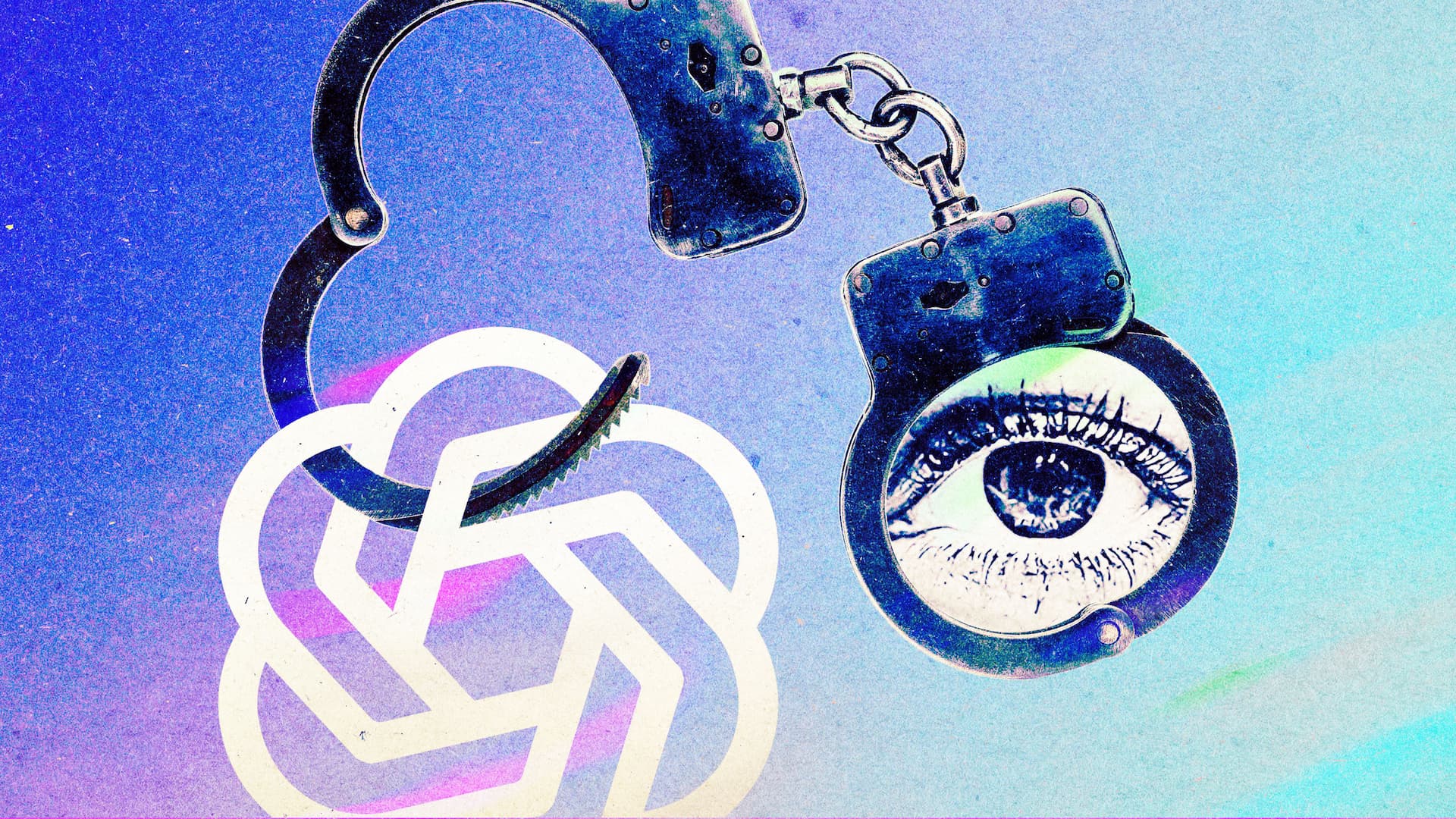
Recent unsealed court documents have shed light on the contentious relationship between Microsoft and OpenAI, particularly regarding data scraping practices. In these filings, Microsoft executives expressed grave concerns about the implications of AI scraping, referring to it as 'the largest theft of labor in human history.' This revelation comes amidst ongoing discussions about the ethical use of data in training AI models, especially when it involves content from paywalled sources like The New York Times. The documents suggest that both companies engaged in scraping content from such platforms to build their datasets, raising significant ethical and legal questions about the future of content creation and distribution.
The filings indicate that Microsoft was not only aware of the data scraping activities but also actively involved in them. Internally, Microsoft warned that these practices could severely undermine the financial viability of publishers. The implications of this situation are profound, as it highlights a growing tension between tech companies leveraging AI and traditional media outlets struggling to maintain their revenue streams in an increasingly digital landscape. As AI continues to evolve, the need for clear guidelines and ethical standards around data usage becomes more pressing.
Key facts
| Field | Detail |
|---|---|
| Companies involved | Microsoft, OpenAI |
| Context | Data scraping from paywalled content |
| Document type | Unsealed court filings |
| Microsoft’s stance | Called scraping 'theft' |
| Concern raised | Threat to publishers' revenue |
| Content source | The New York Times |
| AI implications | Ethical and legal questions |
| Industry impact | Potential gutting of publishers |
The ethical implications of AI scraping have been a topic of debate for some time. Previous discussions have centered around the balance between innovation and the rights of content creators. For instance, the controversy surrounding Google's use of news snippets in search results raised similar concerns about fair compensation for original content creators. However, the current situation involving Microsoft and OpenAI marks a significant escalation, as it involves direct accusations of theft and exploitation. This development could set a precedent for how AI companies interact with content providers in the future.
Furthermore, the landscape of AI training data is shifting. Traditionally, companies have relied on publicly available datasets or licensed content to train their models. However, the aggressive scraping of paywalled content represents a new frontier that could disrupt existing business models. As AI tools become more sophisticated, the reliance on scraped data may lead to increased scrutiny from regulators and content creators alike, demanding a reevaluation of what constitutes fair use in the digital age.
How to read the numbers
| Benchmark | Score |
|---|---|
| Ethical considerations | High |
| Legal implications | Uncertain |
| Impact on publishers | Negative |
| AI model performance | Potentially enhanced |
The ramifications of this situation extend beyond just Microsoft and OpenAI. As more companies enter the AI space, the practices they adopt will likely come under greater scrutiny. The current discourse around data scraping could lead to stricter regulations governing how AI companies acquire and utilize data. This could result in a more transparent ecosystem where content creators are fairly compensated for their work, but it may also stifle innovation if companies feel constrained by legal limitations.
What you can do with it
- For developers and businesses: Ensure compliance with data usage policies and consider ethical implications when sourcing data for AI models.
- For content creators: Stay informed about your rights regarding data usage and explore licensing agreements that protect your work.
- For policymakers: Advocate for clearer regulations that balance the needs of AI innovation with the rights of content creators.
Looking ahead, the ongoing discussions about data scraping and its ethical implications will likely prompt further legal challenges and regulatory scrutiny. As the AI landscape evolves, the relationship between tech companies and content creators will be a critical area to watch, particularly as more unsealed documents and revelations come to light. The future of AI training data may hinge on the outcomes of these debates, shaping how AI models are developed and the extent to which they can leverage existing content without infringing on the rights of creators.
Source: TechCrunch - AI · Read original →
Instagram & TikTok: copy the link and paste into a Story, Reel, or caption.
Digest
AI news by email
Curated stories with sources and takeaways. Confirm once — unsubscribe anytime.
Discussion
Comment here after signing in, or share the story to continue the conversation elsewhere.
Instagram & TikTok: copy the link and paste into a Story, Reel, or caption.
Log in or create an account to comment — Google / GitHub / X when those providers are configured.
No comments yet — start the thread.