

Fine-tune a search agent with multi-turn RL on Amazon SageMaker AI
Amazon SageMaker AI enhances search agents with multi-turn reinforcement learning for improved retrieval quality and efficiency.
“Fine-tuning search agents with multi-turn reinforcement learning transforms user interactions into a more contextual and efficient experience.”
Key takeaways
- Multi-turn reinforcement learning enhances search agent performance by improving contextual understanding.
- Amazon SageMaker AI provides a scalable platform for fine-tuning AI models.
- Businesses can achieve lower latency and costs with smaller, optimized search agents.
- Continuous learning from user interactions leads to improved retrieval quality and reliability.
- The evolution of search technology is set to redefine user experiences across various sectors.
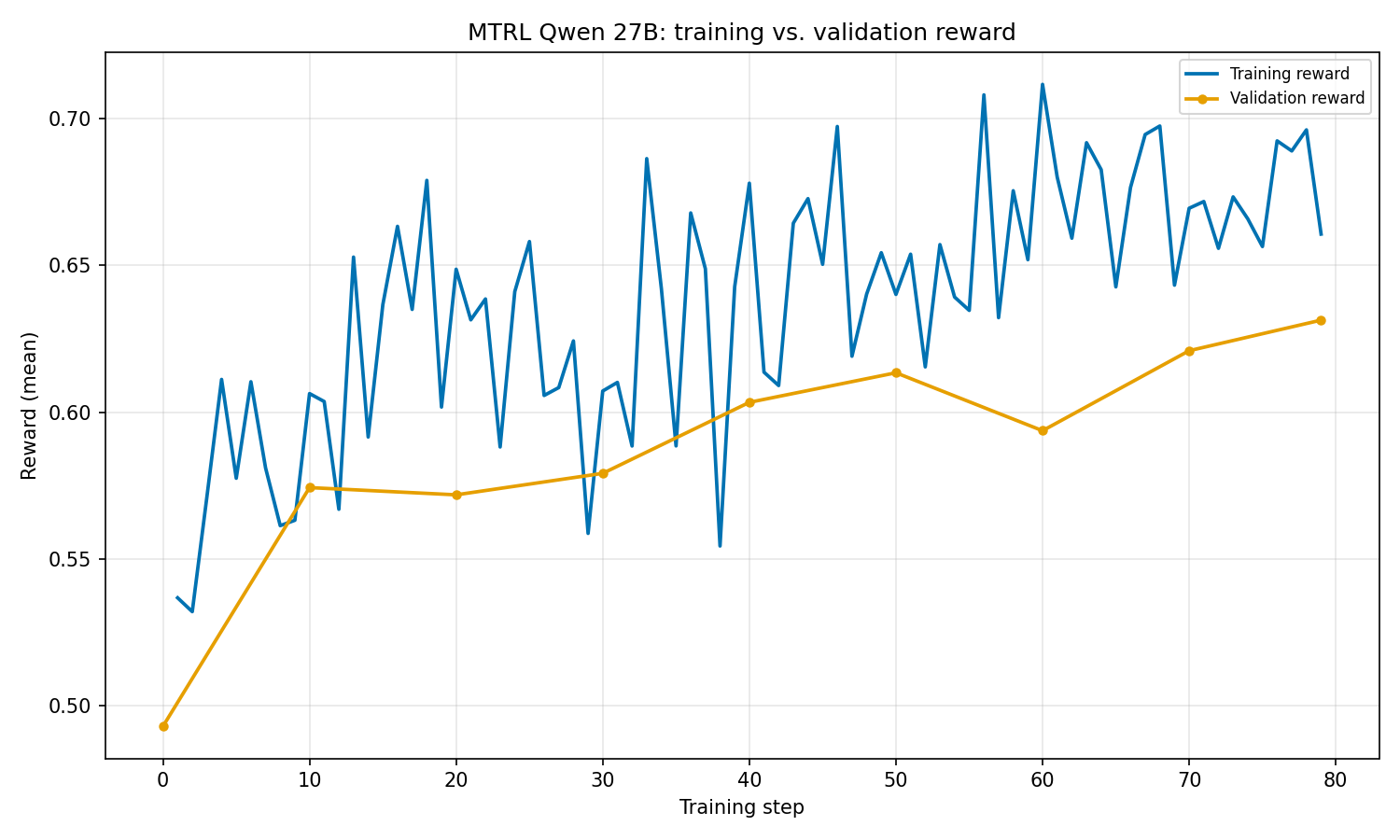
The latest advancements in AI search capabilities have taken a significant leap forward with Amazon SageMaker AI's new approach to fine-tuning search agents. By leveraging multi-turn reinforcement learning (MTRL), developers can now train small search agents to better understand their specific tools and environments. This fine-tuning process not only optimizes the search agent's performance but also brings down latency and costs, making it an appealing option for businesses looking to enhance their search functionalities without the overhead typically associated with larger models. The results from this initiative indicate notable improvements in retrieval quality and reliability, which are critical factors for any organization relying on efficient information retrieval.
Amazon SageMaker AI provides a robust platform for machine learning practitioners, allowing them to build, train, and deploy machine learning models at scale. The introduction of MTRL for fine-tuning search agents marks a pivotal moment in the evolution of AI-driven search technologies. By focusing on multi-turn interactions, the fine-tuning process enables the search agent to learn from previous queries and responses, creating a more contextual and nuanced understanding of user intent. This capability is particularly important in environments where users may ask complex questions that require a series of interactions to clarify their needs.
Key facts
| Field | Detail |
|---|---|
| Technology | Multi-turn Reinforcement Learning (MTRL) |
| Platform | Amazon SageMaker AI |
| Purpose | Fine-tuning search agents for improved reliability and lower latency |
| Benefits | Enhanced retrieval quality, reduced costs, improved contextual understanding |
| Target Users | Businesses and developers utilizing AI for search functionalities |
| Implementation Timeline | Ongoing, with initial results shared in recent AWS Machine Learning blog post |
| Performance Metrics | Gains in retrieval quality and reliability reported, specific scores not disclosed |
| Learning Approach | Reinforcement learning with a focus on multi-turn interactions |
| Cost Efficiency | Lower operational costs compared to traditional large model deployments |
| Use Cases | Customer support, information retrieval, e-commerce search, and more |
The players
Key players in this development include Amazon Web Services (AWS), which provides the SageMaker AI platform, and the machine learning engineers and researchers who are actively working on enhancing search capabilities through innovative methodologies like MTRL. Additionally, businesses across various sectors that rely on search functionalities are integral to this ecosystem, as they will be the primary beneficiaries of these advancements.
The evolution of search agents has been a gradual process, with early models relying heavily on keyword matching and basic natural language processing techniques. However, as user expectations have grown, so too has the need for more sophisticated search capabilities. Previous iterations of search agents often struggled with understanding context, leading to less relevant results and user frustration. The introduction of reinforcement learning, particularly in a multi-turn format, represents a significant shift in how search agents can be trained to interact with users more effectively.
In the past, search systems were often limited by their inability to learn from interactions. Traditional models typically required extensive retraining to adapt to new queries or changes in user behavior. With MTRL, search agents can continuously learn and improve their responses based on user interactions, making them more adaptable and efficient over time. This approach not only enhances the user experience but also reduces the need for constant manual adjustments by developers, allowing them to focus on other critical aspects of their applications.
How to read the numbers
While specific performance metrics for the newly fine-tuned search agents have not been disclosed in detail, the emphasis on retrieval quality and reliability suggests a focus on measurable improvements in user satisfaction and operational efficiency. Future updates from AWS may provide more granular data on the performance of these agents, allowing developers to benchmark their effectiveness against traditional models.
What you can do with it
- Implement fine-tuned search agents in customer support applications to enhance response accuracy.
- Utilize MTRL to improve e-commerce search functionalities, leading to better product discovery.
- Leverage the contextual understanding of search agents to create more personalized user experiences.
- Reduce operational costs by deploying smaller, more efficient search models without sacrificing performance.
What we're watching
As AWS continues to refine its MTRL approach, the next milestones will likely include the release of specific performance benchmarks and case studies demonstrating the effectiveness of these fine-tuned search agents in real-world applications. Additionally, the community will be keenly observing how businesses integrate these advancements into their existing systems and the tangible benefits they experience as a result.
Looking ahead, the implications of this technology extend beyond mere search functionalities. As organizations increasingly rely on AI to drive decision-making and enhance user interactions, the ability to fine-tune models like search agents will become a critical component of their digital strategies. The ongoing development of MTRL and its application in search agents could set a new standard for AI-driven interactions across various sectors, paving the way for more intelligent and responsive systems that adapt to user needs in real-time. This evolution will not only improve user satisfaction but also drive efficiencies that can significantly impact the bottom line for businesses leveraging these technologies.
Source: AWS Machine Learning · Read original →
Instagram & TikTok: copy the link or quote and paste into a Story, Reel, or caption.
Digest
AI news by email
Curated stories with sources and takeaways. Confirm once — unsubscribe anytime.
Discussion
Comment here after signing in, or share the story to continue the conversation elsewhere.
Instagram & TikTok: copy the link and paste into a Story, Reel, or caption.
Log in or create an account to comment — Google / GitHub / X when those providers are configured.
No comments yet — start the thread.


