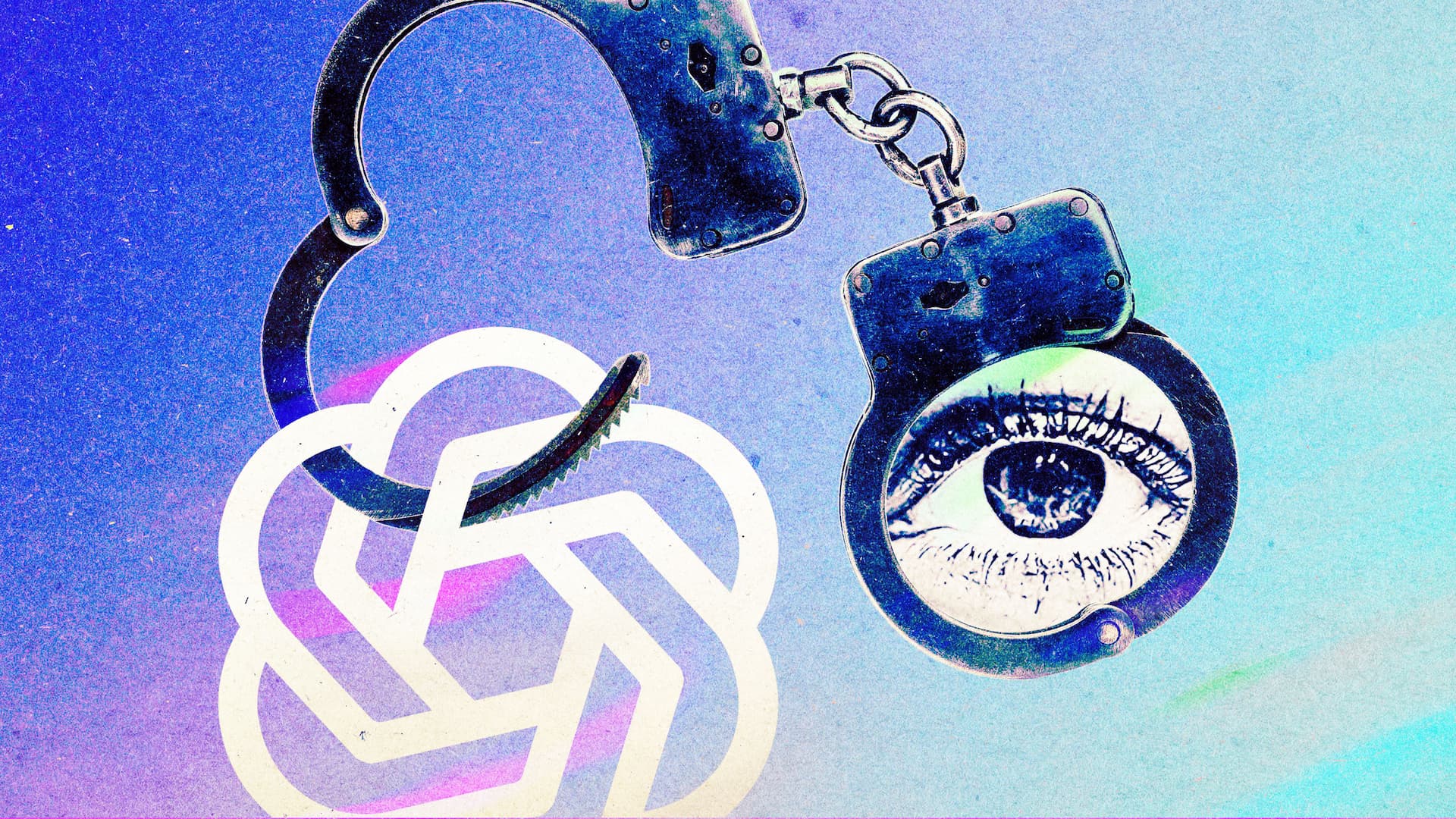
ChatGPT-using lawyer punished for citing fake testimony from made-up witnesses
A New Mexico lawyer faces disciplinary action for using AI-generated false testimony in court, raising concerns about AI's reliability.
A New Mexico defense attorney has been reprimanded for citing fabricated testimony from fictitious witnesses generated by an AI tool in a legal case. This incident has sparked a broader discussion about the reliability of artificial intelligence in legal settings and the responsibilities of legal professionals when integrating AI tools into their practice. The lawyer, who reportedly relied on ChatGPT to gather information, expressed surprise at the AI's ability to 'hallucinate' facts, highlighting a critical gap in understanding the limitations of these technologies.
The case emerged during a trial where the attorney presented evidence that included quotes and testimonies from individuals who did not exist. The judge overseeing the case quickly identified the discrepancies and questioned the validity of the evidence presented. Following this revelation, the attorney faced disciplinary measures from the state bar association, which emphasized the importance of maintaining ethical standards in legal practice. This incident serves as a cautionary tale for legal professionals who may be tempted to utilize AI tools without fully understanding their capabilities and limitations.
Key facts
| Field | Detail |
|---|---|
| Location | New Mexico |
| Legal Profession | Defense attorney |
| AI Tool Used | ChatGPT |
| Nature of Misconduct | Citing fictitious witnesses |
| Disciplinary Action | Reprimand from state bar association |
| Lawyer's Reaction | Surprised by AI's 'hallucination' of facts |
| Context | Ethical standards in legal practice |
| AI Reliability | Questioned in legal settings |
The use of AI in the legal field has been a growing trend, with many attorneys leveraging these tools for research, drafting documents, and even generating arguments. However, this incident underscores a significant risk: the potential for AI to produce misleading or entirely false information, a phenomenon often referred to as 'hallucination.' In the past, legal professionals have relied on traditional research methods, but the introduction of AI has changed the landscape, offering both efficiency and new challenges. Previous cases involving AI in legal contexts have primarily focused on issues such as data privacy and the ethical implications of using algorithms to influence legal decisions.
The current situation raises questions about the adequacy of existing regulations surrounding AI use in law. Unlike other industries where AI applications have been more thoroughly vetted, the legal profession is still grappling with how to integrate these technologies responsibly. The American Bar Association has issued guidelines on the ethical use of AI, but many practitioners remain unclear about the boundaries of acceptable use. This incident serves as a wake-up call, urging legal professionals to critically assess their reliance on AI tools and to ensure that they are not compromising their ethical obligations.
How to read the numbers
| Benchmark | Score |
|---|---|
| AI Reliability in Legal Contexts | Low |
| Instances of AI Hallucination | Increasing |
| Awareness Among Legal Professionals | Moderate |
| Ethical Guidelines Established | Limited |
The repercussions of this incident extend beyond the individual lawyer involved. It raises broader implications for the legal community, particularly as AI tools become more integrated into everyday practice. Legal professionals must be vigilant in verifying the information generated by AI systems, ensuring that they do not inadvertently present false evidence in court. This situation also highlights the need for ongoing education and training for attorneys regarding the capabilities and limitations of AI technologies.
What you can do with it
- Review and understand the ethical guidelines for AI use in legal practice.
- Implement verification processes for any AI-generated content before presenting it in court.
- Engage in training sessions focused on the limitations of AI technologies.
- Stay informed about developments in AI regulations and best practices in the legal field.
Looking ahead, the legal profession must confront the challenges posed by AI technologies head-on. As more attorneys begin to adopt these tools, there will be an increasing need for clear guidelines and standards to govern their use. The incident involving the New Mexico lawyer serves as a critical reminder of the potential pitfalls of relying on AI without adequate oversight, and it will likely prompt further discussions about the ethical implications of AI in the legal system.
Source: Ars Technica - AI · Read original →
Instagram & TikTok: copy the link and paste into a Story, Reel, or caption.
Digest
AI news by email
Curated stories with sources and takeaways. Confirm once — unsubscribe anytime.
Discussion
Comment here after signing in, or share the story to continue the conversation elsewhere.
Instagram & TikTok: copy the link and paste into a Story, Reel, or caption.
Log in or create an account to comment — Google / GitHub / X when those providers are configured.
No comments yet — start the thread.