Best practices for Amazon SageMaker HyperPod administration and governance
Amazon SageMaker HyperPod administration now emphasizes governance and infrastructure design for enhanced operational efficiency.
“Effective governance in Amazon SageMaker HyperPod is key to maximizing resource utilization and fostering collaboration among machine learning teams.”
Key takeaways
- Amazon SageMaker HyperPod enhances resource utilization by allowing multiple workloads to run concurrently.
- Governance practices are essential to prevent resource contention and ensure fair access.
- Clear infrastructure boundaries and access controls are critical for effective HyperPod administration.
- Organizations should regularly review and adapt their governance frameworks to meet evolving needs.
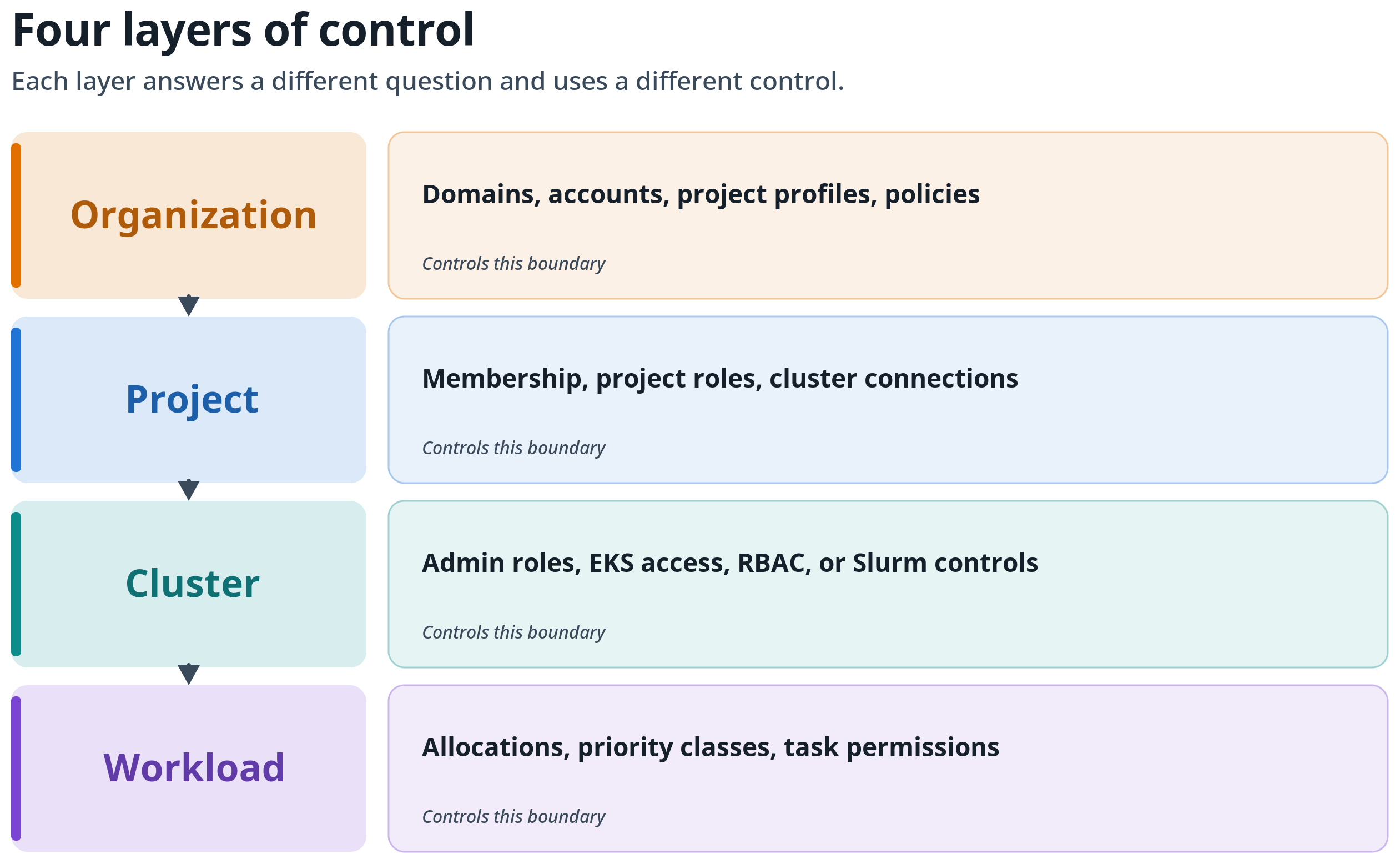
Amazon Web Services (AWS) has recently released a comprehensive guide on best practices for administering Amazon SageMaker HyperPod through Amazon SageMaker Unified Studio. This guide is particularly aimed at platform teams responsible for managing machine learning workloads. It provides a detailed framework for establishing infrastructure boundaries, governing access, allocating shared capacity, and ensuring consistent operations across various organizational layers, including projects, clusters, and workload controls. The emphasis on governance is a response to the increasing complexity of machine learning environments, where multiple teams may share resources and require strict oversight to maintain efficiency and security.
The introduction of HyperPod has transformed how organizations approach machine learning model training and deployment. HyperPod is designed to optimize the performance of SageMaker by allowing users to run multiple workloads in parallel, thereby maximizing resource utilization. However, with this increased capability comes the need for robust governance practices to prevent resource contention and ensure that all teams have fair access to the necessary computational power. The new guidelines from AWS aim to address these challenges by providing a structured approach to HyperPod administration.
Key facts
| Field | Detail |
|---|---|
| Product | Amazon SageMaker HyperPod |
| Platform | Amazon SageMaker Unified Studio |
| Focus | Administration and governance of HyperPod |
| Target Audience | Platform teams managing machine learning workloads |
| Key Areas of Guidance | Infrastructure boundaries, access governance, shared capacity allocation, operational consistency |
| Release Date | October 2023 |
| Primary Benefits | Improved resource utilization, enhanced governance, streamlined operations |
| Organizational Layers | Project, cluster, workload control layers |
| Implementation Strategy | Design and enforce governance policies across teams |
| Expected Outcomes | Efficient management of machine learning resources, reduced contention among teams |
The players
Key players involved in this initiative include Amazon Web Services (AWS), which is the parent company responsible for the development and deployment of SageMaker and HyperPod. Additionally, various platform teams within organizations that utilize SageMaker for machine learning projects are critical stakeholders, as they will be implementing the governance practices outlined in the guide. Furthermore, machine learning engineers and data scientists who rely on SageMaker for their workflows will also be impacted by these changes.
Understanding the context of HyperPod's introduction requires a look back at the evolution of machine learning platforms. Traditionally, machine learning workloads were often siloed, with individual teams managing their own resources independently. This approach frequently led to inefficiencies, such as underutilized resources or conflicts over capacity. As organizations began to adopt more collaborative models, the need for shared resources became apparent. HyperPod was introduced as a solution to this problem, allowing multiple workloads to run concurrently while optimizing resource allocation.
The previous generation of machine learning platforms often lacked the necessary governance frameworks to manage shared resources effectively. As a result, teams faced challenges in coordinating their efforts, leading to potential bottlenecks and delays in project timelines. The introduction of HyperPod represents a significant shift in how organizations can approach resource management, emphasizing the need for structured governance to support collaborative efforts. By implementing the best practices outlined by AWS, organizations can create a more efficient and equitable environment for machine learning development.
How to read the numbers
While the guide does not provide specific numerical benchmarks, it emphasizes qualitative improvements in resource management and operational efficiency. However, organizations can expect to see enhanced performance metrics as they implement the recommended practices. For instance, by establishing clear infrastructure boundaries and access governance, teams can reduce the time spent on resource allocation and conflict resolution, leading to faster model training and deployment cycles.
What you can do with it
- Establish clear governance policies: Create guidelines for resource allocation and access control to ensure fair usage among teams.
- Design infrastructure boundaries: Define the limits of resource usage for different projects to prevent contention and ensure efficiency.
- Implement shared capacity allocation: Develop a system for distributing resources based on project needs and priorities.
- Monitor operations consistently: Regularly review and adjust governance practices to adapt to changing organizational needs and workloads.
- Train teams on best practices: Ensure that all stakeholders understand the governance framework and how to operate within it effectively.
What we're watching
As organizations begin to adopt the best practices outlined in AWS's guide, the next milestone will be the implementation of these governance frameworks across various teams. Observers will be keen to see how quickly organizations can adapt to these changes and whether they lead to measurable improvements in resource utilization and project efficiency. Additionally, the potential for new features or updates to HyperPod based on user feedback will be an area of interest.
Looking ahead, the successful implementation of these governance practices could pave the way for more advanced features within Amazon SageMaker. As machine learning continues to evolve, the need for robust governance frameworks will only grow. Organizations that can effectively manage their resources while fostering collaboration among teams will be better positioned to innovate and drive results in their machine learning initiatives. The ongoing development of HyperPod and its integration into the broader SageMaker ecosystem will be crucial in shaping the future of machine learning operations.
Source: AWS Machine Learning · Read original →
Instagram & TikTok: copy the link or quote and paste into a Story, Reel, or caption.
Digest
AI news by email
Curated stories with sources and takeaways. Confirm once — unsubscribe anytime.
Discussion
Comment here after signing in, or share the story to continue the conversation elsewhere.
Instagram & TikTok: copy the link and paste into a Story, Reel, or caption.
Log in or create an account to comment — Google / GitHub / X when those providers are configured.
No comments yet — start the thread.