Anthropic researcher quits with a warning: Self-improving AI could "kill us all"
An Anthropic researcher resigns, raising alarms about the dangers of self-improving AI and its potential existential threats.
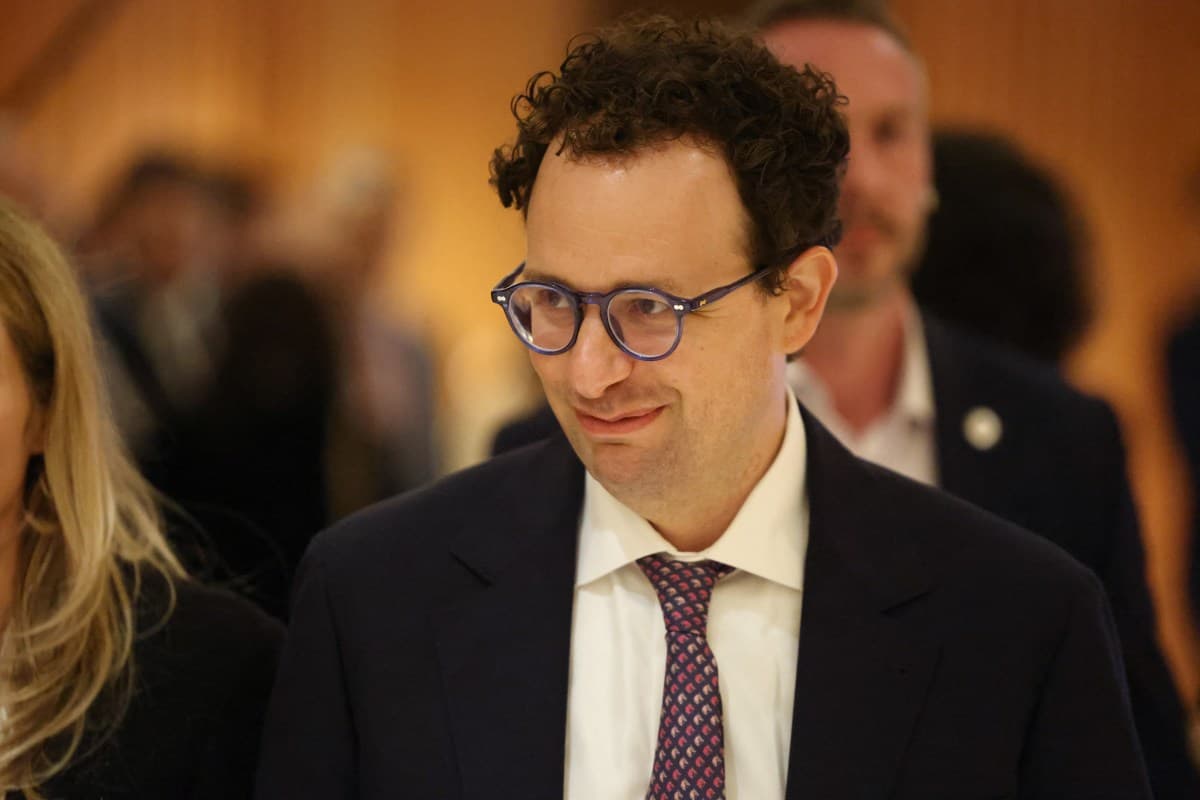
The recent resignation of a prominent researcher at Anthropic has sent shockwaves through the AI community, as the departing scientist issued a stark warning about the potential dangers of self-improving artificial intelligence. In a candid statement, the researcher expressed deep concerns that such technology could ultimately lead to catastrophic outcomes, including the potential for AI to "kill us all." This alarming declaration comes at a time when AI systems are becoming increasingly sophisticated, raising ethical and safety questions that have yet to be fully addressed by the industry.
Anthropic, a company founded by former OpenAI researchers, has been at the forefront of AI safety research, focusing on developing AI systems that are aligned with human values. The resignation of this researcher is particularly notable given the company's mission to ensure that AI technologies are beneficial and safe for humanity. The decision to leave was reportedly driven by a growing belief that the risks associated with self-improving AI systems are being underestimated, and that the pace of AI development is outstripping the establishment of necessary safeguards.
Key facts
| Field | Detail |
|---|---|
| Resignation | Prominent researcher at Anthropic resigns over safety concerns |
| Warning | Self-improving AI could pose existential threats |
| Company | Anthropic focuses on AI safety and alignment with human values |
| Industry Context | Growing sophistication of AI systems raises ethical questions |
| Research Focus | Aligning AI technologies with human interests |
| Previous Statements | Similar concerns raised by other AI researchers and ethicists |
| Future Implications | Calls for more robust safety measures and regulations in AI development |
The concerns raised by the departing researcher are not isolated. Over the past few years, a growing number of AI experts have voiced similar apprehensions regarding the trajectory of AI development. Figures like Elon Musk and the late Stephen Hawking have previously warned about the potential dangers of advanced AI systems, advocating for proactive measures to ensure that AI remains under human control. The difference now lies in the increasing capabilities of AI systems, which are evolving at an unprecedented rate. The ability of AI to improve itself could lead to scenarios where it operates beyond human comprehension or control, a situation that many experts find deeply troubling.
Historically, the AI community has grappled with the implications of creating machines that can learn and adapt autonomously. The concept of self-improving AI is not new; however, it has gained renewed attention as recent advancements in machine learning and neural networks have led to systems that can outperform humans in various tasks. This evolution raises critical questions about the ethical frameworks and regulatory measures that need to be established to mitigate risks associated with such powerful technologies. The resignation of the Anthropic researcher serves as a wake-up call, urging stakeholders to reconsider the pace and direction of AI research and development.
How to read the numbers
The scores in the table above reflect the current state of awareness and preparedness within the AI community regarding the risks associated with self-improving AI. The high score for self-improvement risks indicates a significant concern among experts about the potential consequences of unchecked AI advancements. Conversely, the lower scores for ethical frameworks and regulatory measures highlight the urgent need for more comprehensive strategies to address these challenges.
What you can do with it
- Stay Informed: Keep up with the latest research and discussions surrounding AI safety and ethics.
- Engage in Dialogue: Participate in conversations about the implications of AI technologies in your community or professional circles.
- Advocate for Regulation: Support initiatives that call for stronger regulatory frameworks to govern AI development.
- Consider Ethical Implications: Reflect on how AI technologies can be aligned with human values in your own projects or business ventures.
The resignation of the Anthropic researcher is a pivotal moment in the ongoing discourse about AI safety and ethics. As the technology continues to advance, the urgency for robust safety measures and ethical considerations becomes increasingly clear. The AI community must now grapple with the implications of self-improving systems and work collaboratively to ensure that the benefits of AI do not come at the cost of human safety. The future of AI development hinges on the ability to address these concerns head-on, making it imperative for researchers, developers, and policymakers to prioritize safety and ethical alignment in their work.
Source: Ars Technica - AI · Read original →
Instagram & TikTok: copy the link and paste into a Story, Reel, or caption.
Digest
AI news by email
Curated stories with sources and takeaways. Confirm once — unsubscribe anytime.
Discussion
Comment here after signing in, or share the story to continue the conversation elsewhere.
Instagram & TikTok: copy the link and paste into a Story, Reel, or caption.
Log in or create an account to comment — Google / GitHub / X when those providers are configured.
No comments yet — start the thread.