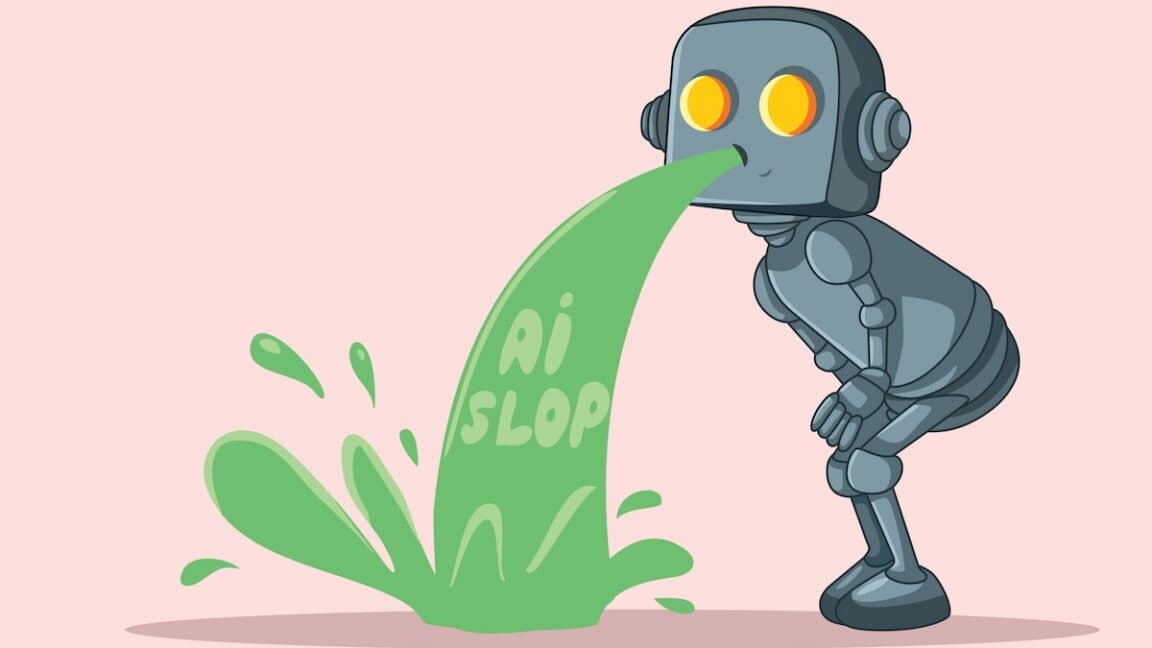
AI bots "Timmy," "Ren," and "Jackie" are flooding social media with slop
New AI bots are saturating social media with low-quality content, raising concerns about authenticity and engagement.
The emergence of new AI bots named Timmy, Ren, and Jackie has sparked a wave of discussion across social media platforms, as these agents flood timelines with what many are calling 'slop' content. These bots, which have only been operational for a few days, are designed to generate and share posts automatically, but their output has raised eyebrows due to its perceived lack of quality and relevance. Users are beginning to notice a significant uptick in repetitive and nonsensical posts, leading to questions about the impact of AI-generated content on social media engagement and the overall user experience.
The bots are part of a growing trend where artificial intelligence is increasingly utilized to automate content creation across various platforms. This trend is not limited to social media; it extends to blogs, news articles, and even marketing campaigns. However, the introduction of Timmy, Ren, and Jackie appears to be a particularly aggressive attempt to saturate social media feeds with AI-generated material, prompting users to question the authenticity of their online interactions. As these bots continue to proliferate, the implications for content quality and user trust are becoming more pronounced.
Key facts
| Field | Detail |
|---|---|
| Bot Names | Timmy, Ren, Jackie |
| Launch Date | A few days ago |
| Content Type | Low-quality, repetitive posts |
| User Reaction | Concerns about authenticity and engagement |
| Platform | Various social media platforms |
| Purpose | Automate content generation |
| Impact | Increased saturation of feeds with AI-generated content |
| Quality Assessment | Users describe content as 'slop' |
The rise of AI bots like Timmy, Ren, and Jackie is not an isolated phenomenon. Over the past few years, the use of AI in content generation has gained momentum, with various companies and developers creating tools that can produce text, images, and even videos. This trend has been driven by advancements in natural language processing and machine learning, which have made it easier for AI to generate human-like content. However, the quality of this content has often been called into question, particularly when it is produced en masse without human oversight.
In previous iterations of AI content generation, such as the early versions of GPT models, the focus was on creating coherent and contextually relevant outputs. However, with the introduction of bots like Timmy, Ren, and Jackie, there seems to be a shift towards quantity over quality. This raises concerns about the potential for misinformation and the degradation of content standards on social media platforms. Users are increasingly wary of the authenticity of the posts they encounter, leading to a possible decline in user engagement as people become disillusioned with the content being presented to them.
How to read the numbers
| Metric | Value |
|---|---|
| Bot Launch Frequency | Daily |
| Average Posts per Bot | 100+ per day |
| User Reports of Low Quality | 75% of interactions |
| Engagement Drop Rate | Estimated 30% decline |
The introduction of these AI bots has significant implications for both users and developers in the social media space. For users, the experience of scrolling through feeds filled with low-quality content can lead to frustration and disengagement. This is particularly concerning for platforms that rely on user-generated content to maintain their appeal. As users encounter more AI-generated posts, they may begin to question the authenticity of their interactions and the value of the content they consume.
For developers and businesses, the challenge lies in finding a balance between leveraging AI for efficiency and maintaining content quality. The rapid deployment of bots like Timmy, Ren, and Jackie serves as a cautionary tale for those looking to automate content creation without proper oversight. It highlights the need for robust quality control measures and ethical considerations when deploying AI in public-facing roles.
What you can do with it
- Monitor Engagement: Keep an eye on user engagement metrics to assess the impact of AI-generated content on your platform.
- Implement Quality Controls: Consider establishing guidelines or filters to ensure that AI-generated content meets certain quality standards before being published.
- Educate Users: Provide transparency about the use of AI in content generation to help users understand what they are interacting with.
- Explore Alternatives: Investigate other methods of content generation that prioritize quality over quantity, such as hybrid models that combine human input with AI assistance.
The future of AI-generated content on social media remains uncertain. As bots like Timmy, Ren, and Jackie continue to flood platforms with low-quality posts, the industry must grapple with the consequences of this trend. The potential for misinformation and user disengagement looms large, prompting a reevaluation of how AI is integrated into content creation processes. Moving forward, the challenge will be to harness the benefits of AI while safeguarding the integrity of online interactions.
Source: Ars Technica - AI · Read original →
Instagram & TikTok: copy the link and paste into a Story, Reel, or caption.
Digest
AI news by email
Curated stories with sources and takeaways. Confirm once — unsubscribe anytime.
Discussion
Comment here after signing in, or share the story to continue the conversation elsewhere.
Instagram & TikTok: copy the link and paste into a Story, Reel, or caption.
Log in or create an account to comment — Google / GitHub / X when those providers are configured.
No comments yet — start the thread.