WeatherNext 2: Our most advanced weather forecasting model
Google DeepMind unveils WeatherNext 2, a cutting-edge AI model set to transform global weather forecasting.
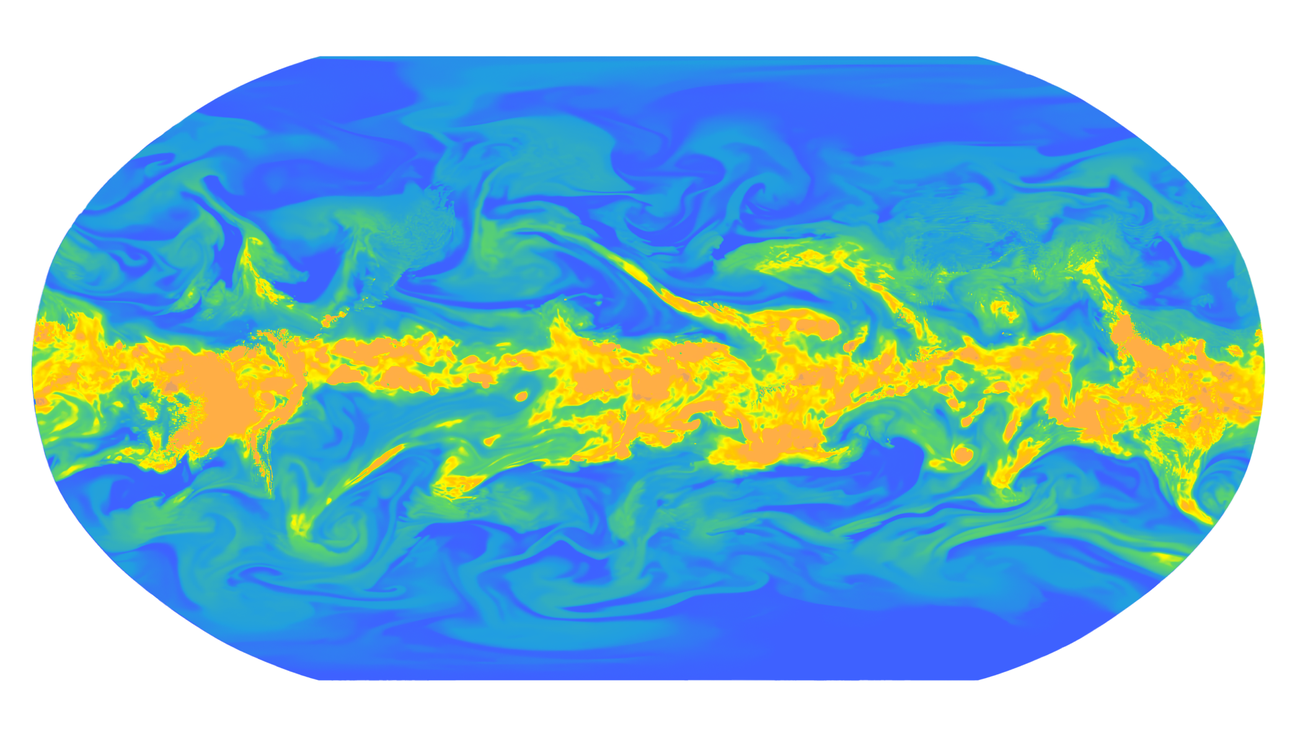
Google DeepMind has officially launched WeatherNext 2, its latest iteration of an advanced weather forecasting model that promises to revolutionize how meteorologists predict weather patterns globally. This new model leverages sophisticated AI algorithms to deliver more efficient and accurate weather predictions than its predecessors. With the ability to provide higher-resolution forecasts, WeatherNext 2 aims to offer localized insights that are crucial for various industries, including agriculture, transportation, and disaster management.
The introduction of WeatherNext 2 comes at a time when the demand for precise weather data is more critical than ever. As climate change continues to impact weather patterns, the need for reliable forecasting tools has surged. WeatherNext 2 not only meets this demand but also sets a new standard in the field of meteorology by utilizing advanced machine learning techniques that enhance prediction accuracy. This model is expected to significantly improve the way businesses and governments prepare for and respond to weather-related events.
Key facts
| Field | Detail |
|---|---|
| Model Name | WeatherNext 2 |
| Developer | Google DeepMind |
| Key Features | Advanced AI algorithms, higher-resolution forecasts |
| Primary Use Cases | Agriculture, transportation, disaster management |
| Expected Impact | Enhanced decision-making for industries reliant on weather data |
| Launch Date | Recently launched |
WeatherNext 2 builds on the foundation laid by its predecessor, which already made waves in the meteorological community. The original WeatherNext model was known for its innovative approach to data assimilation and predictive modeling, but WeatherNext 2 takes this a step further by incorporating even more sophisticated AI techniques. This evolution reflects a broader trend in the AI landscape, where machine learning is increasingly being applied to complex real-world problems, including climate modeling and environmental science.
The implications of WeatherNext 2 extend beyond just improved forecasts. By providing more accurate and localized weather predictions, this model can help industries make informed decisions that could save lives and resources. For example, farmers can better plan their planting and harvesting schedules, while transportation companies can optimize routes based on expected weather conditions. As industries increasingly rely on data-driven decision-making, the ability to access high-quality weather forecasts will become a vital asset.
Looking ahead, the integration of WeatherNext 2 into existing weather services and applications will be crucial for its success. As organizations begin to adopt this model, it will be interesting to see how it compares to other forecasting technologies in terms of accuracy and efficiency. Moreover, the ongoing development of AI in weather forecasting raises questions about how these advancements will shape the future of meteorological science and public safety initiatives. The journey of WeatherNext 2 is just beginning, and its impact on the industry will be closely monitored in the coming months.
Source: Google DeepMind Blog · Read original →
Discussion
Comment here after signing in, or share the story to continue the conversation elsewhere.
Instagram & TikTok: copy the link and paste into a Story, Reel, or post caption.
Log in or create an account to comment — Google / GitHub / X when those providers are configured.
No comments yet — start the thread.