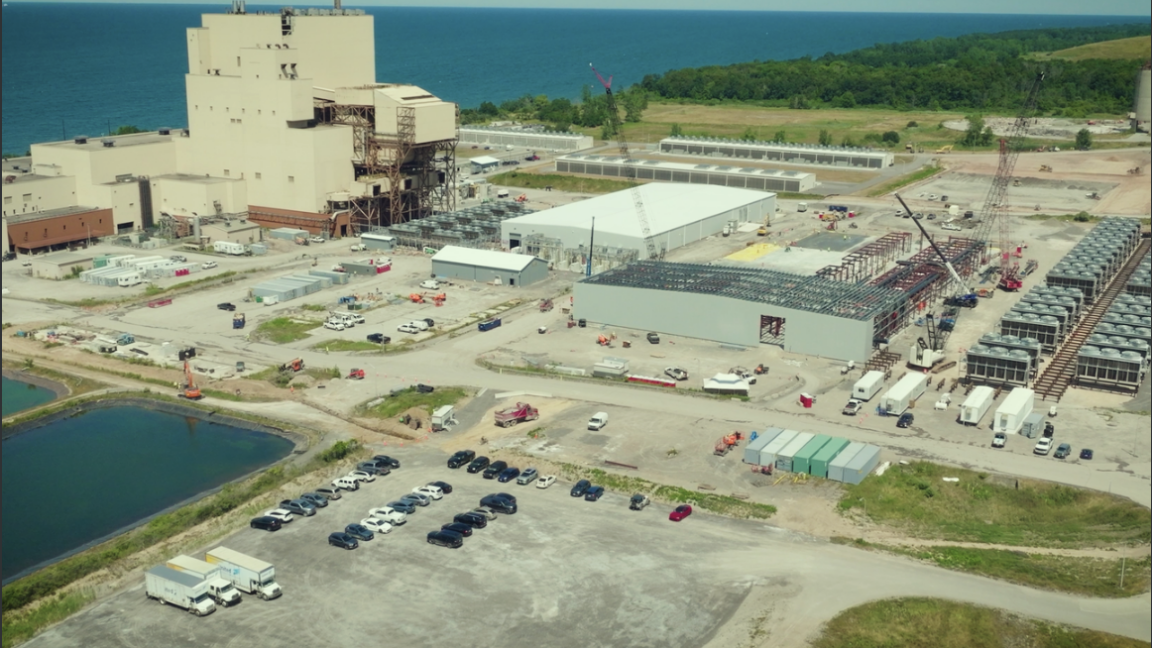
The complex corporate web behind a $3.2 billion AI data center
A $3.2 billion AI data center raises questions about corporate responsibility and collaboration in the tech industry.
The recent announcement of a $3.2 billion AI data center project has unveiled a complex web of corporate partnerships and responsibilities. This ambitious initiative involves several major players in the tech industry, each contributing their unique expertise and resources. As AI continues to grow in importance across various sectors, the implications of such collaborations raise critical questions about accountability and the distribution of risk among the involved parties. The project is expected to bolster AI research and development significantly, but it also highlights the potential pitfalls of shared responsibility in large-scale tech ventures.
At the heart of this project is a consortium of companies, including established tech giants and emerging startups, all eager to capitalize on the booming demand for AI capabilities. The data center is designed to support a wide range of AI applications, from machine learning to natural language processing, and aims to provide the necessary infrastructure for training advanced AI models. However, as these companies come together to pool their resources, the question arises: who is ultimately responsible if something goes wrong? This concern is particularly relevant given the increasing scrutiny on AI technologies and their societal impacts.
Key facts
| Field | Detail |
|---|---|
| Project Cost | $3.2 billion |
| Involved Companies | Multiple tech giants and startups |
| Primary Focus | AI research and development |
| Infrastructure Type | Data center for AI applications |
| Accountability Issues | Shared responsibility among partners |
| Expected Outcomes | Enhanced AI capabilities and applications |
| Regulatory Scrutiny | Increased focus on corporate responsibility |
| Timeline | Ongoing development with future expansions |
The landscape of AI development has evolved dramatically over the past few years, with significant investments pouring into data centers designed to support AI workloads. Previous generations of AI infrastructure often relied on single entities to manage and oversee operations. However, the current trend leans towards collaborative efforts, where multiple stakeholders share the financial burden and operational responsibilities. This shift reflects a broader understanding of the complexities involved in AI development, where the need for specialized knowledge and resources often necessitates partnerships.
In the past, projects like Google's TensorFlow and OpenAI's GPT-3 have demonstrated the potential of collaborative efforts in AI. These initiatives were primarily driven by single organizations but benefited from open-source contributions and community involvement. The current $3.2 billion data center project, however, takes this concept a step further by formalizing partnerships among various companies, each bringing its strengths to the table. This collaboration can accelerate innovation but also complicates accountability, especially in light of the rapid advancements and ethical considerations surrounding AI technologies.
How to read the numbers
| Benchmark | Score |
|---|---|
| Data Processing Capacity | High |
| Energy Efficiency | Moderate |
| Scalability Potential | High |
| AI Model Training Speed | Fast |
| Collaborative Efficiency | Variable |
| Regulatory Compliance Level | Pending |
The numbers associated with this data center project indicate a strong emphasis on performance and efficiency. The high data processing capacity and scalability potential suggest that the facility will be well-equipped to handle the demands of advanced AI models. However, the variable nature of collaborative efficiency raises concerns about how effectively the involved companies can work together to achieve their goals. Regulatory compliance remains a pending issue, as the project will likely face scrutiny from government agencies and watchdog organizations focused on AI ethics and accountability.
For those involved in AI development, this project serves as a case study in the complexities of corporate collaboration. It underscores the importance of establishing clear lines of responsibility and accountability among partners. As AI technologies continue to evolve, the need for transparency and ethical considerations will only grow. Developers and companies should take note of the lessons learned from this initiative, particularly in terms of defining roles and responsibilities to mitigate risks associated with shared projects.
Practical takeaways
- Define Roles Clearly: Ensure that all partners have a clear understanding of their responsibilities to avoid confusion and potential liability.
- Establish Communication Protocols: Regular communication among partners can help address issues as they arise and foster a collaborative environment.
- Focus on Compliance: Stay informed about regulatory requirements and ethical standards to ensure that the project aligns with industry best practices.
- Prepare for Scrutiny: Be ready to address questions from stakeholders and the public regarding the project's impact and accountability.
- Invest in Training: Equip teams with the necessary skills to manage complex AI systems and navigate the challenges of collaboration.
As the $3.2 billion AI data center project unfolds, the tech industry will be watching closely to see how these corporate partnerships navigate the challenges of shared responsibility. The outcomes of this initiative could set precedents for future collaborations in AI development, influencing how companies approach joint ventures and the ethical implications of their technologies. With the rapid pace of AI advancements, the importance of accountability and transparency in corporate partnerships will only become more pronounced, shaping the future landscape of the industry.
Source: Ars Technica - AI · Read original →
Discussion
Comment here after signing in, or share the story to continue the conversation elsewhere.
Instagram & TikTok: copy the link and paste into a Story, Reel, or post caption.
Log in or create an account to comment — Google / GitHub / X when those providers are configured.
No comments yet — start the thread.