Powering the future of robotics in Europe
Europe is poised to transform its robotics industry through groundbreaking AI technologies and substantial financial backing.
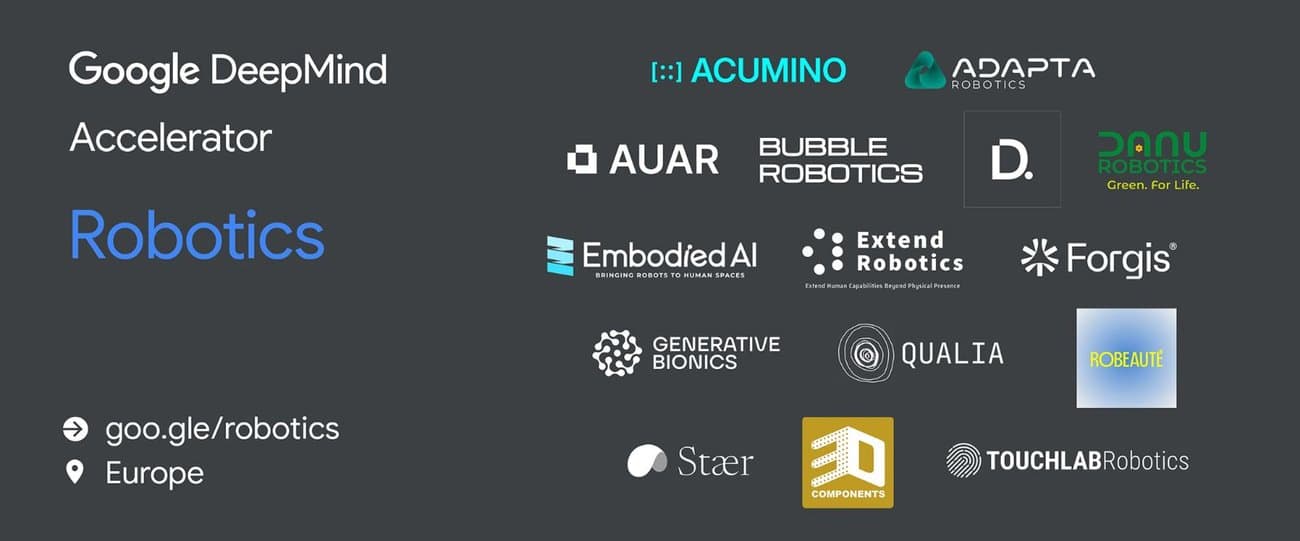
Europe is on the brink of a major transformation in its robotics sector, fueled by innovative artificial intelligence technologies and significant investments from both public and private sectors. This initiative aims to position Europe as a leader in the global robotics market, leveraging advancements in AI to enhance automation, improve efficiency, and drive economic growth. Key players in this initiative include tech giants, startups, and research institutions, all collaborating to create a robust ecosystem that fosters innovation and accelerates the development of next-generation robotic solutions.
The European Commission has recognized the potential of robotics to revolutionize various industries, from manufacturing to healthcare. By investing heavily in AI research and development, Europe aims to not only catch up with but also surpass other global leaders in robotics, such as the United States and Japan. The focus will be on creating intelligent systems that can work alongside humans, enhancing productivity while ensuring safety and reliability in various applications. This ambitious plan includes funding for research projects, support for startups, and the establishment of innovation hubs across the continent.
Key facts
| Field | Detail |
|---|---|
| Initiative | European robotics revolution |
| Focus | AI technologies and automation |
| Key Players | Tech companies, startups, research institutions |
| Investment | Significant public and private funding |
| Goals | Enhance productivity, safety, and reliability in robotics |
| Collaboration | Ecosystem fostering innovation and development |
The push for advanced robotics in Europe is not entirely new; it builds on a foundation laid by previous initiatives and research programs. For instance, the Horizon 2020 program, which ran from 2014 to 2020, aimed to boost research and innovation across Europe, including in robotics. This new initiative seeks to build on those successes while addressing the challenges that have emerged in the rapidly evolving tech landscape. The integration of AI into robotics is particularly significant, as it allows for smarter, more adaptable machines that can learn from their environments and improve their performance over time.
Looking ahead, the European robotics initiative is set to create a ripple effect across various sectors, potentially leading to job creation and economic growth. However, challenges remain, such as ensuring ethical AI use and addressing public concerns about job displacement due to automation. As this initiative unfolds, stakeholders will need to navigate these complexities while striving to maintain Europe's competitive edge in the global robotics arena. The next steps will involve concrete actions, including the establishment of partnerships between industry and academia, to ensure that the vision of a robotic future becomes a reality.
Source: Google DeepMind Blog · Read original →
Discussion
Comment here after signing in, or share the story to continue the conversation elsewhere.
Instagram & TikTok: copy the link and paste into a Story, Reel, or post caption.
Log in or create an account to comment — Google / GitHub / X when those providers are configured.
No comments yet — start the thread.