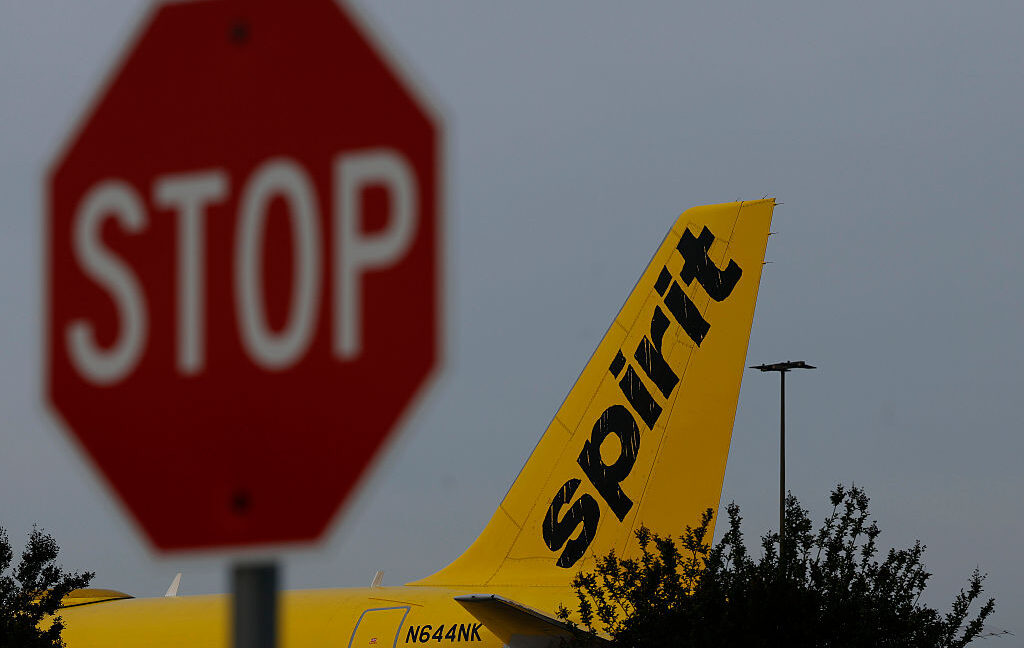
Panic builds over bankrupt Spirit’s looming data sale to Google
Concerns mount as Spirit Airlines' bankruptcy paves the way for a potential data sale to Google, igniting ethical debates in AI.
“The looming sale of Spirit's customer data to Google could redefine trust in the travel industry, as consumers grapple with privacy concerns.”
Key takeaways
- Spirit Airlines filed for Chapter 11 bankruptcy in early 2023, seeking financial recovery.
- The airline is exploring the sale of sensitive customer data to Google.
- This potential transaction raises significant ethical concerns regarding consumer privacy.
- The outcome could set a precedent for data handling practices in the travel industry.
- Stakeholders are closely monitoring regulatory responses to the situation.
The recent bankruptcy filing of Spirit Airlines has raised alarms regarding the potential sale of sensitive customer data to tech giant Google. As the airline navigates its financial troubles, the prospect of monetizing its data assets has emerged as a possible lifeline. However, this situation has sparked significant ethical concerns, particularly regarding privacy and the implications of such a sale for consumers and the broader AI landscape. Stakeholders are now grappling with the ramifications of this potential transaction, which could set a precedent for how personal data is handled in the travel industry and beyond.
Spirit Airlines, known for its ultra-low-cost business model, filed for Chapter 11 bankruptcy protection in early 2023. The airline cited rising operational costs, decreased passenger demand due to the lingering effects of the COVID-19 pandemic, and increased competition as primary factors contributing to its financial woes. As part of the restructuring process, Spirit is exploring various avenues to stabilize its finances, including the sale of its data assets. This has led to discussions about the potential sale of customer data to Google, a company that has been aggressively expanding its footprint in the travel sector through various initiatives.
The implications of such a sale are profound. Customer data collected by airlines typically includes sensitive information such as travel itineraries, payment details, and personal identification. The prospect of Google acquiring this data raises questions about how it would be used, stored, and protected. Critics argue that selling customer data undermines consumer trust and could lead to further exploitation of personal information in ways that benefit corporations at the expense of individual privacy. The ethical considerations surrounding data sales are particularly pertinent in the context of AI, where data is the lifeblood that fuels machine learning algorithms and enhances predictive capabilities.
Key facts
| Field | Detail |
|---|---|
| Company | Spirit Airlines |
| Bankruptcy Filing Date | Early 2023 |
| Potential Buyer | |
| Data Type | Customer travel and payment information |
| Ethical Concerns | Privacy, consumer trust, data exploitation |
| Industry Impact | Travel sector, AI data usage |
| Current Status | Exploring data sale options |
| Stakeholder Reactions | Mixed, with significant public concern |
Who's involved
- Spirit Airlines: The airline facing bankruptcy and exploring data sale options.
- Google: The tech giant potentially interested in acquiring Spirit's customer data.
- Consumers: Individuals whose data may be sold, raising privacy concerns.
- Regulatory Bodies: Entities that may need to address the implications of such data sales.
The landscape of data privacy and ownership has evolved significantly in recent years, particularly as companies increasingly rely on data-driven strategies to enhance their services. The General Data Protection Regulation (GDPR) in Europe and the California Consumer Privacy Act (CCPA) in the United States have established frameworks aimed at protecting consumer data rights. However, the enforcement of these regulations can be inconsistent, and many consumers remain unaware of how their data is collected, used, and potentially sold. The situation with Spirit Airlines serves as a stark reminder of the vulnerabilities inherent in the current data ecosystem.
In previous instances, companies facing financial difficulties have turned to data monetization as a means of recovery. For example, in 2020, several retailers sold customer data to offset losses incurred during the pandemic. However, these transactions often faced backlash from consumers and advocacy groups, leading to calls for stricter regulations on data sales. The potential sale of Spirit's data to Google could reignite these discussions, particularly as the travel industry continues to recover from the pandemic's effects.
How to read the numbers
| Benchmark | Score |
|---|---|
| Customer Data Volume | Unknown |
| Estimated Value of Data | Unknown |
| Number of Customers Affected | Millions |
| Regulatory Compliance Risk | High |
| Public Trust Level | Low |
The potential sale of Spirit Airlines' customer data to Google raises several practical considerations for consumers and industry stakeholders. For consumers, it is crucial to understand the implications of such a sale on their privacy and data security. Individuals should be proactive in managing their data, including reviewing privacy policies and opting out of data sharing whenever possible. Additionally, consumers can advocate for stronger data protection regulations to ensure that their rights are upheld in the face of corporate interests.
For businesses and developers in the AI space, the situation underscores the importance of ethical data practices. Companies must prioritize transparency and consumer consent when collecting and utilizing data for AI applications. Building trust with customers is essential, particularly as AI technologies become increasingly integrated into everyday life. Organizations should also stay informed about regulatory developments related to data privacy, as compliance will be critical in maintaining consumer confidence and avoiding legal repercussions.
What we're watching
As Spirit Airlines continues to navigate its bankruptcy proceedings, the timeline for a potential data sale to Google remains uncertain. Stakeholders are closely monitoring the situation, particularly as public sentiment regarding data privacy evolves. The outcome of this case could have far-reaching implications for the travel industry and set a precedent for how companies handle customer data in the future. Additionally, regulatory bodies may take a more active role in addressing the ethical concerns surrounding data sales, potentially leading to new legislation aimed at protecting consumer rights.
Looking ahead, the resolution of Spirit Airlines' bankruptcy and the fate of its customer data will be pivotal in shaping the future of data privacy in the travel sector. As companies increasingly turn to data monetization strategies, the need for robust ethical frameworks and consumer protections will only grow. The ongoing dialogue surrounding data ownership and privacy will likely intensify, prompting businesses to reevaluate their data practices and prioritize consumer trust in an increasingly data-driven world.
Source: Ars Technica - AI · Read original →
Instagram & TikTok: copy the link or quote and paste into a Story, Reel, or caption.
Digest
AI news by email
Weekly Friday briefings plus midweek notes when models or research drop. Sources included — unsubscribe anytime.
Discussion
Comment here after signing in, or share the story to continue the conversation elsewhere.
Instagram & TikTok: copy the link and paste into a Story, Reel, or caption.
Log in or create an account to comment — Google / GitHub / X when those providers are configured.
No comments yet — start the thread.