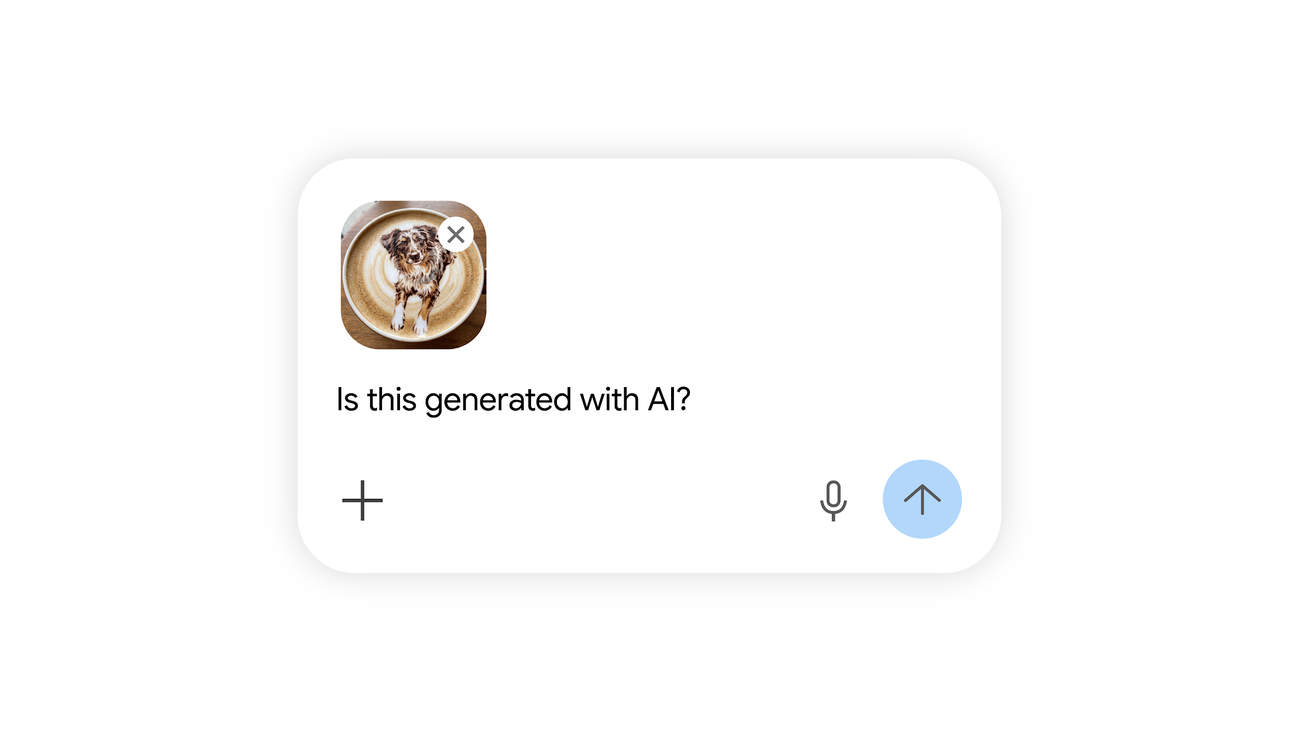
Making it easier to understand how content was created and edited
Google DeepMind is enhancing tools to clarify content creation and editing processes online, promoting transparency in digital media.
Google DeepMind has announced a significant expansion of its tools aimed at improving transparency in how content is created and edited across the web. This initiative comes at a time when misinformation and content manipulation are rampant, raising concerns about the authenticity of online information. By providing users with clearer insights into the origins and modifications of digital content, DeepMind seeks to empower individuals with the knowledge necessary to critically assess the information they encounter online. This move is part of a broader trend among tech companies to enhance user trust and accountability in digital media.
The tools being developed by Google DeepMind will allow users to trace the lineage of content, revealing not only the original creators but also any subsequent edits made over time. This capability is particularly relevant in an era where social media platforms and content-sharing sites often serve as primary sources of information for millions. By shedding light on the editing history and the motivations behind changes, DeepMind aims to create a more informed user base that can better navigate the complexities of online content. This initiative is expected to be rolled out across various platforms, making it easier for users to understand the context and credibility of the information they consume.
Key facts
| Field | Detail |
|---|---|
| Initiative | Expansion of content creation and editing transparency tools |
| Company | Google DeepMind |
| Purpose | To enhance user understanding of content origins and edits |
| Target Audience | General internet users and content consumers |
| Context | Rising concerns over misinformation and content manipulation |
| Expected Impact | Improved user trust and accountability in digital media |
| Platforms | Various online platforms and content-sharing sites |
| Features | Tracking content lineage and editing history |
The need for such tools has become increasingly apparent as misinformation spreads rapidly across social media and other online platforms. Previous attempts to address these issues have included fact-checking initiatives and content verification services, but they often fall short of providing users with comprehensive insights into how information is altered over time. By focusing on the editing history, DeepMind's new tools could fill a critical gap, allowing users to see not just the final product but also the journey it took to get there.
In recent years, similar efforts have been made by other tech giants, such as Facebook and Twitter, which have implemented features that allow users to see when a post was created and if it has been edited. However, these features often lack depth and do not provide a full picture of the content's evolution. DeepMind's approach promises to go further by offering detailed insights into the motivations behind edits, which could help users understand the context of changes and the potential biases involved in content creation.
How to read the numbers
The introduction of these tools could significantly impact user engagement with content. By providing a clearer understanding of how information is created and modified, users may become more inclined to engage with fact-checking tools and utilize editing history features. This could lead to a more discerning audience that actively seeks out reliable information and questions the credibility of sources. As users become more aware of the editing processes behind the content they consume, the overall landscape of digital media could shift towards greater accountability and transparency.
What you can do with it
- Stay Informed: Use the new tools to track the history of content you encounter online, understanding its evolution.
- Engage Critically: Apply the insights gained from these tools to critically assess the credibility of information before sharing or acting on it.
- Promote Transparency: Advocate for the use of similar tools across other platforms to enhance overall digital media accountability.
- Educate Others: Share knowledge about the importance of content creation transparency with peers and within your community.
As Google DeepMind rolls out these new tools, the implications for content consumption and creation are profound. The ability to trace content lineage and editing history could redefine how users interact with information online. This initiative not only addresses the pressing issue of misinformation but also sets a precedent for future developments in content transparency across the digital landscape. As these tools gain traction, it will be interesting to observe how they influence user behavior and the broader media ecosystem.
Source: Google DeepMind Blog · Read original →
Discussion
Comment here after signing in, or share the story to continue the conversation elsewhere.
Instagram & TikTok: copy the link and paste into a Story, Reel, or post caption.
Log in or create an account to comment — Google / GitHub / X when those providers are configured.
No comments yet — start the thread.