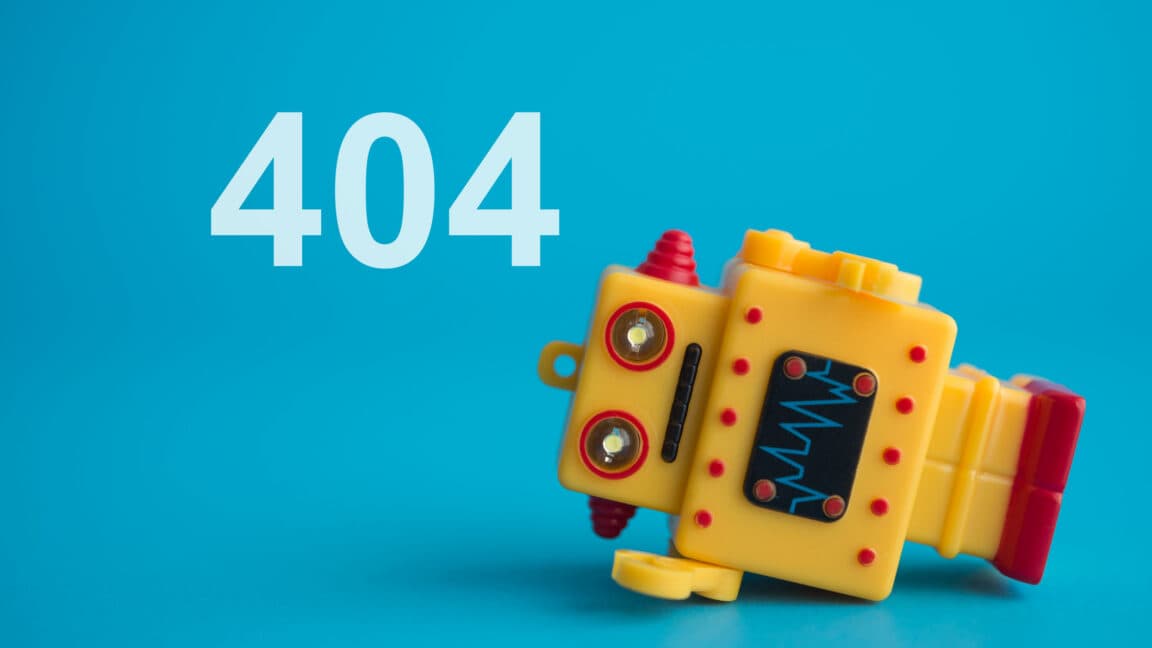
Four major AI models suffer rare overlapping downtime
Four leading AI models faced simultaneous service interruptions, raising concerns about reliability and user dependency on these technologies.
In an unusual turn of events, four of the most prominent AI models—ChatGPT, Claude, Grok, and Gemini—experienced overlapping downtime, causing significant disruptions for users and businesses that rely on these technologies. The simultaneous outages were reported across various platforms, leading to frustration among users who depend on these models for tasks ranging from customer service automation to content generation. This incident has sparked discussions about the reliability of AI services and the implications of such downtimes on businesses and individual users alike.
The outages began early in the day, with users reporting issues accessing ChatGPT, a widely used conversational AI developed by OpenAI. Shortly thereafter, Claude, developed by Anthropic, and Grok, a model from xAI, also faced similar issues. Gemini, Google's latest AI offering, was not spared either, as users encountered difficulties in accessing its features. The simultaneous nature of these downtimes is particularly striking, as it raises questions about the underlying infrastructure that supports these AI models and whether they are susceptible to systemic failures.
Key facts
| Field | Detail |
|---|---|
| Affected Models | ChatGPT, Claude, Grok, Gemini |
| Duration of Outage | Several hours, with varying recovery times |
| User Impact | Significant disruptions in service availability |
| Companies Involved | OpenAI, Anthropic, xAI, Google |
| Nature of Issues | Access and functionality interruptions |
| User Reports | Frustration and loss of productivity |
The recent downtime of these AI models is not an isolated incident but rather a reflection of the growing pains that come with the rapid deployment of advanced technologies. As AI systems become more integrated into daily operations across various sectors, the expectation for consistent availability grows. Users have come to rely on these models for a range of applications, and even short periods of downtime can lead to significant disruptions in workflows. This incident serves as a reminder of the importance of robust infrastructure and contingency planning in the deployment of AI technologies.
Historically, the AI landscape has seen its share of outages and service disruptions. For instance, in 2020, several cloud service providers experienced outages that affected numerous applications, including AI services. However, the scale and impact of these recent downtimes are noteworthy given the increasing reliance on AI models for critical business functions. The simultaneous nature of the outages raises concerns about potential shared infrastructure vulnerabilities among these leading AI providers, which could have far-reaching implications for users who depend on these services.
How to read the numbers
| Benchmark | Status |
|---|---|
| ChatGPT Availability | Intermittent |
| Claude Availability | Limited |
| Grok Availability | Unavailable |
| Gemini Availability | Partially Active |
The simultaneous outages of these AI models highlight the fragility of the systems that underpin them. Users may find it difficult to gauge the reliability of these services based solely on their past performance, especially when faced with unexpected downtimes. The lack of transparency regarding the causes of these outages can further exacerbate user concerns, as businesses may struggle to understand how to mitigate the risks associated with relying on these AI models.
For developers and businesses utilizing these AI models, there are several practical takeaways from this incident. First, it is essential to have contingency plans in place that account for potential service interruptions. This could involve maintaining alternative solutions or backup systems that can be deployed in case of outages. Additionally, organizations should consider diversifying their AI service providers to reduce dependency on a single model or platform. This approach can help mitigate the impact of any one service going offline and ensure continuity in operations.
Moreover, users should stay informed about the status of the AI services they rely on. Many providers offer status pages or social media updates that can provide real-time information about service availability. Being proactive in monitoring these updates can help users anticipate potential disruptions and adjust their workflows accordingly. Finally, engaging with the AI community can provide valuable insights into best practices for managing service interruptions and leveraging alternative solutions when necessary.
Looking ahead, the recent outages prompt a critical examination of the infrastructure supporting these AI models. As the demand for AI services continues to grow, it will be imperative for providers to invest in robust systems that can withstand unexpected challenges. The simultaneous nature of these downtimes suggests that there may be underlying issues that need to be addressed to ensure the reliability of these services in the future. Users and businesses alike will be watching closely to see how these companies respond to this incident and what measures they implement to prevent similar occurrences in the future.
Source: Ars Technica - AI · Read original →
Discussion
Comment here after signing in, or share the story to continue the conversation elsewhere.
Instagram & TikTok: copy the link and paste into a Story, Reel, or post caption.
Log in or create an account to comment — Google / GitHub / X when those providers are configured.
No comments yet — start the thread.