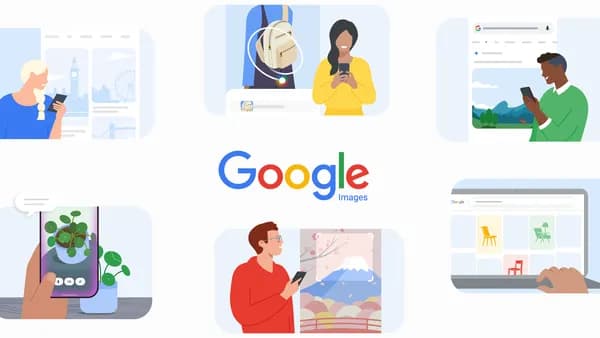
Celebrating 25 years of visual search innovation
Google Images marks its 25th anniversary with a retrospective on visual search innovations and exciting new features.
Google Images, a staple of online search since its inception, is celebrating its 25th anniversary. Launched in 1998, the platform has transformed the way users engage with visual content, evolving from a simple image search tool into a powerful resource for exploration and creativity. Over the years, Google has introduced numerous features that have enhanced the user experience, making it easier to find, share, and create visual content. As part of this milestone, Google is reflecting on its journey and unveiling new capabilities that promise to further enrich the visual search landscape.
The evolution of Google Images is marked by several key innovations that have shaped how we interact with images online. From the introduction of advanced algorithms that improve search accuracy to the integration of machine learning technologies that enhance image recognition, Google has consistently pushed the boundaries of what is possible in visual search. The platform's ability to understand context and user intent has made it an indispensable tool for millions of users worldwide, whether they are looking for inspiration, conducting research, or simply browsing for entertainment.
Key facts
| Field | Detail |
|---|---|
| Launch Year | 1998 |
| Major Innovations | Image recognition, visual search algorithms |
| User Base | Millions of users globally |
| Recent Features | Enhanced image search capabilities, new creation tools |
| Machine Learning Usage | Advanced algorithms for better context understanding |
| Accessibility | Available on multiple platforms |
| Creative Tools | New features for image creation and editing |
| Integration | Works with Google Lens and other Google services |
The impact of Google Images extends beyond mere convenience; it has fundamentally changed how we consume and create visual content. Prior to its launch, finding images online was often a cumbersome process, requiring users to sift through text-heavy pages. Google Images streamlined this process, allowing users to find relevant images quickly and efficiently. Over the years, the platform has adapted to the changing needs of its users, incorporating features such as reverse image search and visual search capabilities that leverage artificial intelligence to deliver more accurate results.
In recent years, the rise of social media and the increasing importance of visual content in digital marketing have further solidified the role of Google Images in the online ecosystem. Brands and content creators rely on the platform not only for inspiration but also for driving engagement and traffic to their websites. The introduction of new tools for image creation and editing reflects a growing recognition of the need for users to not only find images but also to produce and share their own visual content. This shift aligns with broader trends in content creation, where user-generated content plays a pivotal role in shaping online narratives.
How to read the numbers
| Benchmark | Score |
|---|---|
| User Engagement | High |
| Image Search Accuracy | Improved |
| New Feature Adoption Rate | Rapid |
| Mobile Accessibility | Widespread |
| Integration with Other Services | Seamless |
| User Satisfaction | High |
As Google Images celebrates its 25th anniversary, it is also looking to the future with the introduction of new features designed to enhance user interaction and creativity. The platform now offers tools that allow users to create and edit images directly within the search interface, making it easier than ever to produce high-quality visual content. These innovations not only cater to the needs of casual users but also empower professionals in fields such as marketing, design, and education to leverage visual content more effectively.
For those building with or using AI models, the advancements in Google Images signal a shift towards more interactive and user-friendly tools. The integration of machine learning into visual search means that users can expect increasingly personalized results based on their search history and preferences. This capability opens up new avenues for developers looking to create applications that rely on visual content, as they can tap into Google's robust infrastructure and advanced algorithms to enhance their offerings.
Practical takeaways
- Explore the new image creation tools available on Google Images to enhance your visual content.
- Utilize Google Lens for more accurate visual searches and context-based results.
- Leverage the improved algorithms for better image recognition in your projects.
- Stay updated on new features as Google continues to innovate in the visual search space.
Looking ahead, Google Images is poised to continue its evolution, with ongoing improvements in AI and machine learning that will further refine the user experience. As the demand for visual content grows, the platform's ability to adapt and innovate will be crucial in maintaining its relevance in an increasingly competitive landscape. The next phase of visual search promises to be even more dynamic, with new tools and features that will empower users to explore and create like never before.
Source: Google AI Blog · Read original →
Discussion
Comment here after signing in, or share the story to continue the conversation elsewhere.
Instagram & TikTok: copy the link and paste into a Story, Reel, or post caption.
Log in or create an account to comment — Google / GitHub / X when those providers are configured.
No comments yet — start the thread.