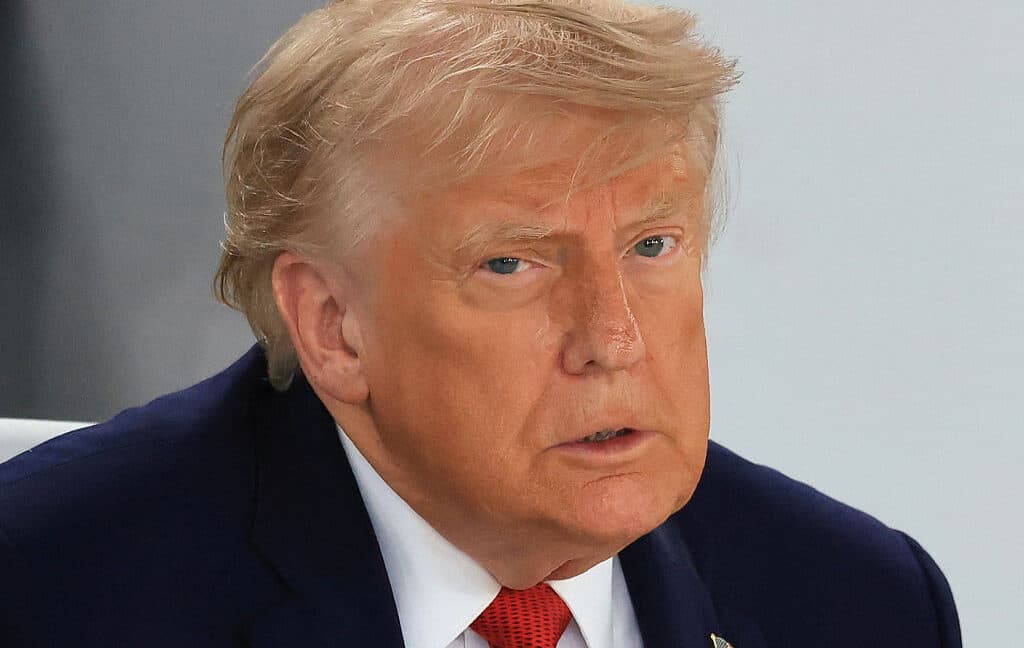
AI industry says Trump plans to tax chips in the “single dumbest way imaginable”
Trump's proposed chip tax has drawn sharp criticism from the AI industry, raising concerns about innovation and growth.
The AI industry is reacting strongly to former President Donald Trump's recent proposal to impose a tax on semiconductor chips, which many experts are calling misguided and detrimental to technological advancement. The proposal, which aims to levy taxes on chips used in various applications, has sparked a wave of criticism from industry leaders who argue that it could stifle innovation and hinder growth in an already competitive sector. With the AI landscape heavily reliant on advanced computing power, the implications of such a tax could be far-reaching, affecting everything from research and development to the deployment of new technologies.
Industry insiders have expressed their concerns that this tax could lead to increased costs for companies that rely on these essential components, ultimately passing the burden onto consumers. The semiconductor industry is already facing challenges due to supply chain disruptions and rising material costs, and adding a tax could exacerbate these issues. Many in the AI field believe that rather than imposing taxes, the focus should be on fostering an environment that encourages investment in semiconductor technology, which is crucial for the advancement of AI and machine learning applications.
Key facts
| Field | Detail |
|---|---|
| Proposal | Tax on semiconductor chips |
| Industry Reaction | Strong criticism from AI leaders |
| Potential Impact | Increased costs for AI companies and consumers |
| Current Challenges | Supply chain disruptions and rising costs |
| Suggested Focus | Encouraging investment in semiconductor technology |
The semiconductor industry has been a focal point in discussions about technology and innovation, especially as the demand for AI capabilities continues to surge. The global chip shortage, which began in 2020, has already highlighted the fragility of supply chains and the critical role that semiconductors play in powering everything from smartphones to advanced AI systems. This proposed tax could further complicate an already precarious situation, leading to potential delays in product development and deployment across various sectors.
Historically, similar proposals have faced backlash from the tech community. For instance, during the Obama administration, discussions around tariffs on technology imports were met with fierce opposition from industry leaders who argued that such measures would hinder growth and innovation. The current climate mirrors those past debates, as the AI industry rallies to advocate for policies that promote rather than restrict technological advancement.
Looking ahead, the future of this proposed chip tax remains uncertain. As discussions continue, industry leaders are likely to ramp up their lobbying efforts to persuade lawmakers to reconsider the implications of such a tax. The outcome could set a precedent for how technology sectors are taxed in the future, potentially influencing investment and innovation strategies in the AI and semiconductor industries for years to come.
Source: Ars Technica - AI · Read original →
Discussion
Comment here after signing in, or share the story to continue the conversation elsewhere.
Instagram & TikTok: copy the link and paste into a Story, Reel, or post caption.
Log in or create an account to comment — Google / GitHub / X when those providers are configured.
No comments yet — start the thread.